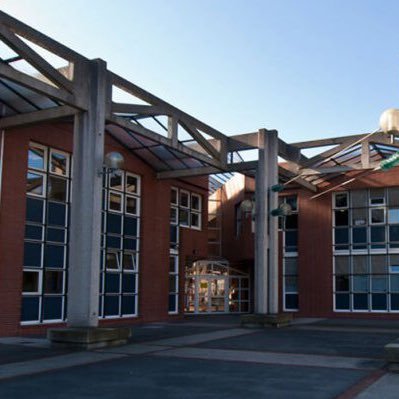
Located in Ermont, in the Versailles school district, the Gustave Eiffel Comprehensive High School offers a wide range of technical programs, from the CAP to the BTS, as well as an apprenticeship track through its UFA/CFA. Among these programs, the BAC PRO MELEC (electrical trades and connected environments) and the BTS FED (Fluids, Energy, and Home Automation) train dozens of students and apprentices each year in the field of electrical engineering. It is within this framework that Benoit C., a teacher in the BTS FED Option C program, has incorporated FTZ software as a teaching tool in his courses.
The relevant educational programs, from early childhood education to apprenticeships
Benoit C. explains that FTZ software is used primarily by two programs at the high school: the BTS FED Option C, which includes 30 students in full-time training and 15 apprentices, and the BAC PRO MELEC, which has 36 students in full-time training and 12 apprentices. In total, more than 90 students and apprentices are trained each year using FTZ solutions.
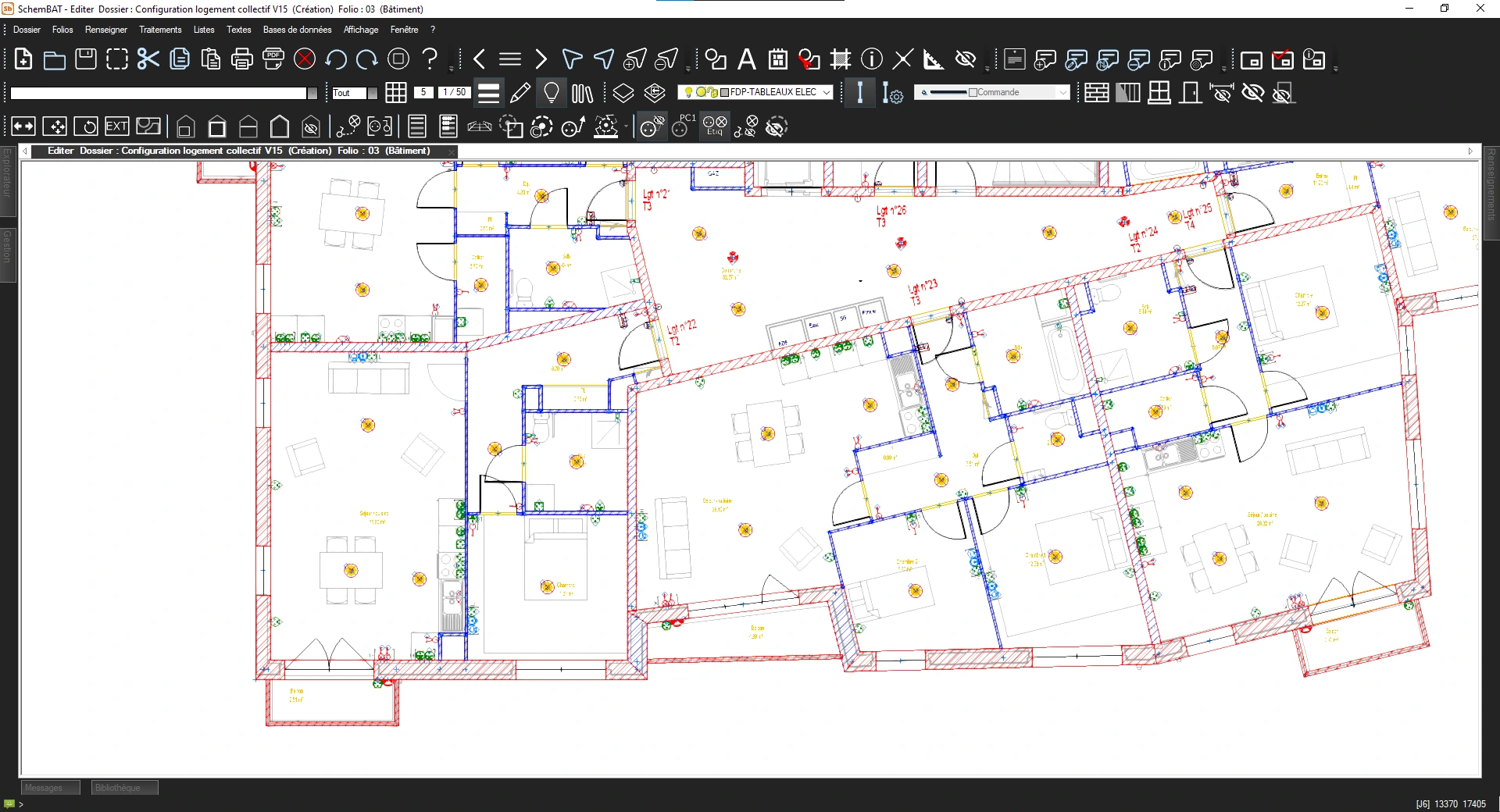
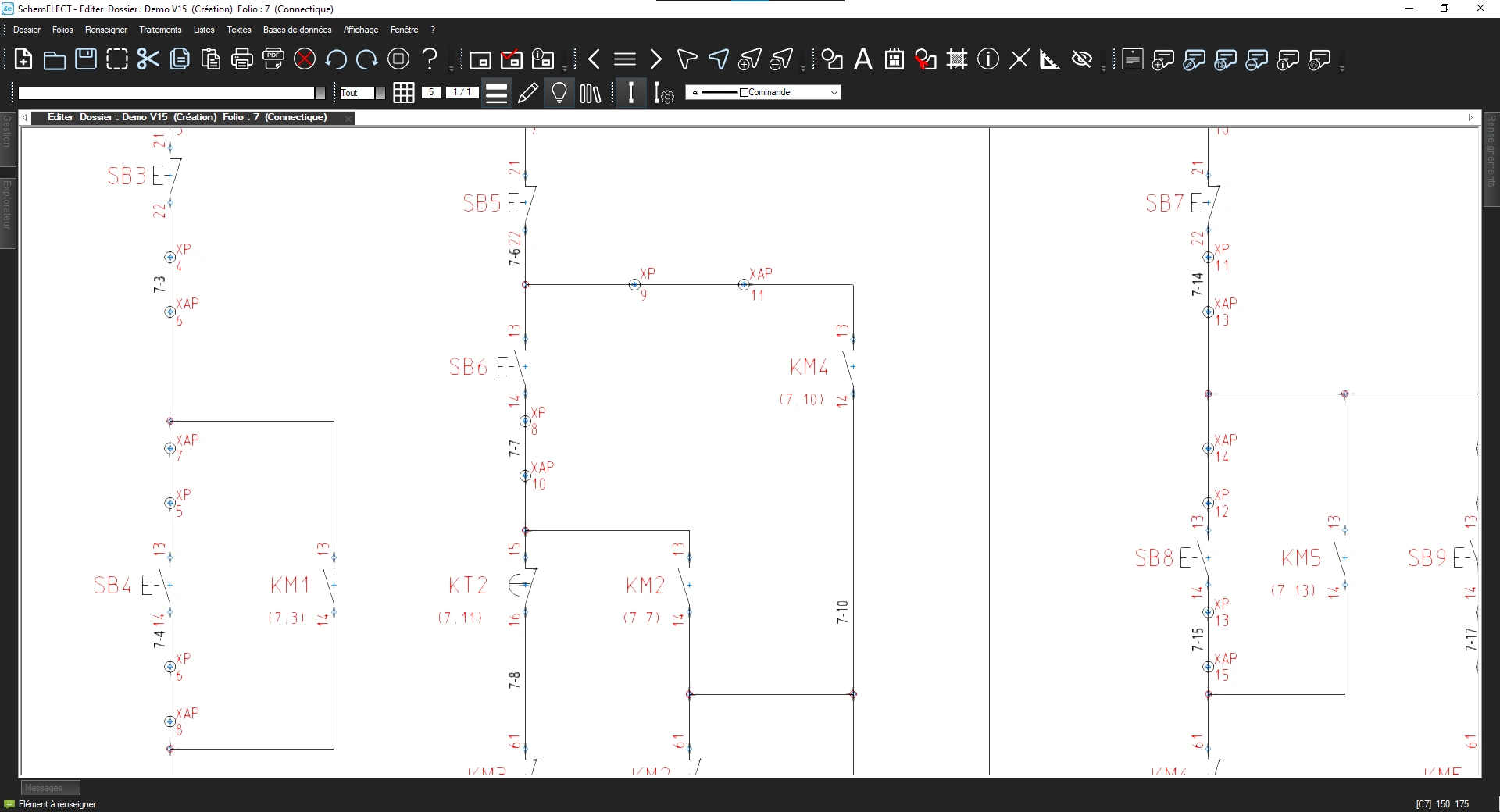
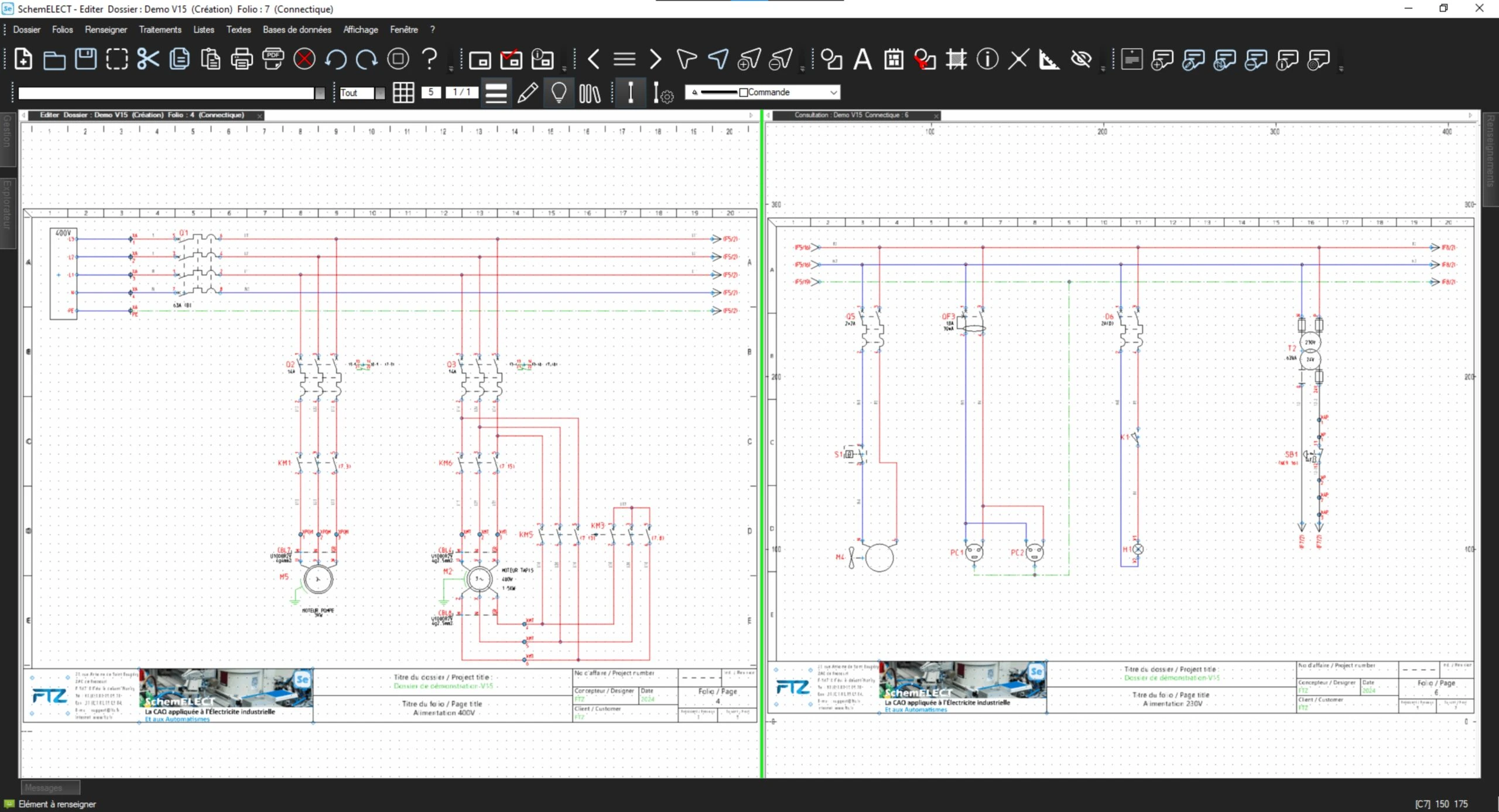
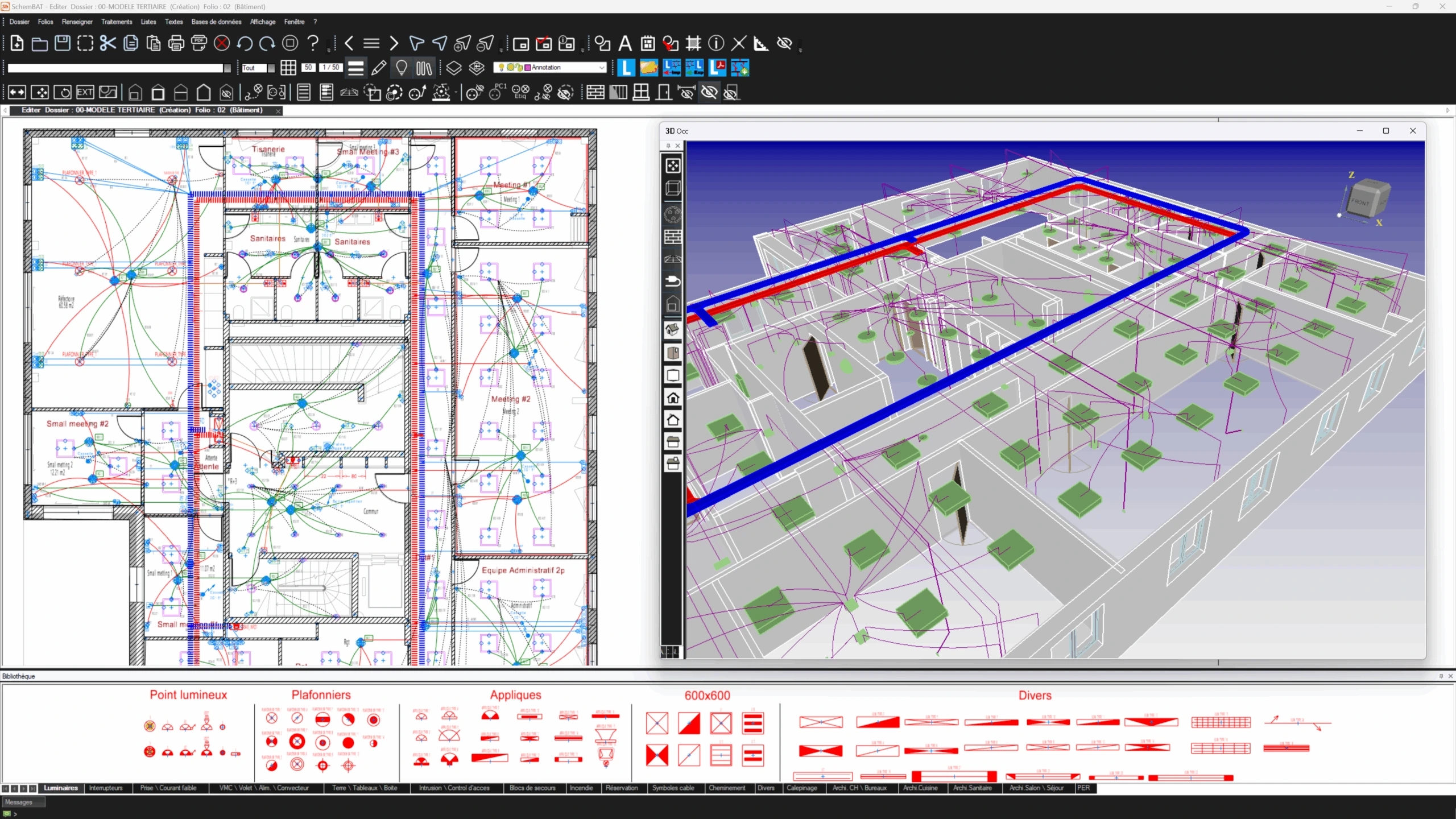
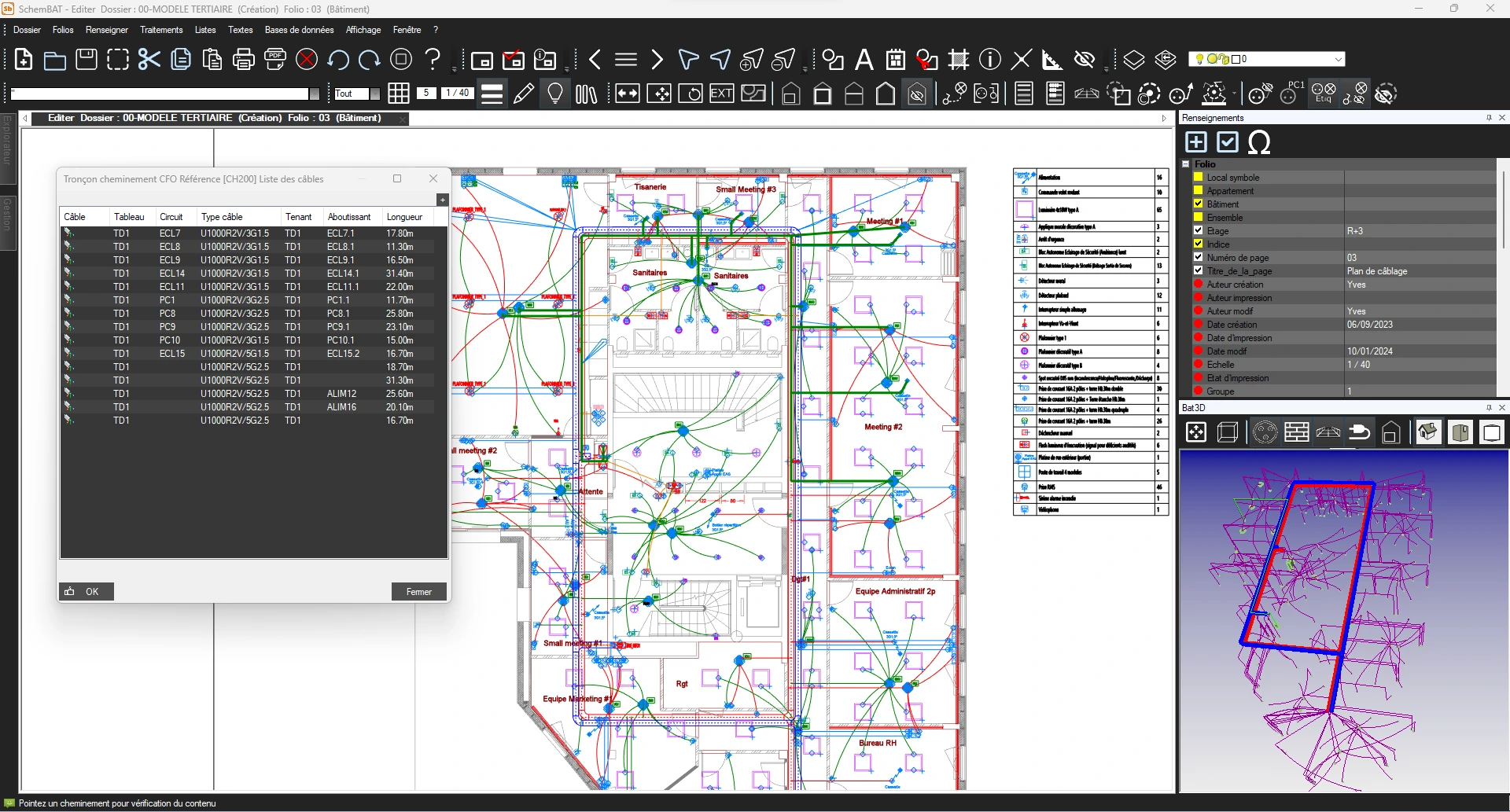
The two products are used differently depending on the program. BTS FED students work with SchemBAT and FTZ-BIM for the building services engineering component, as well as SchemELECT for designing electrical panels. As for the BAC PRO MELEC program, only SchemBAT is currently being used, as Benoit C. personally trained his fellow instructors on the tools before rolling them out to the students.
From Discovery to the Final Project
The use of FTZ software goes beyond a simple technical exercise. Benoit C. tells us that students in the BAC PRO MELEC program use SchemBAT as part of their lab work, while BTS FED students use the tools on two levels: in formative lab work, but also as part of their final projects. FTZ software thus supports students from learning the basics all the way through to the completion of concrete, comprehensive projects.
A choice guided by the search for professional tools
It was during a meeting at the BIM World trade show that Benoit C. discovered FTZ. He tells us that, for his BTS FED courses, he wanted to use genuine professional software rather than a purely academic tool. In his view, this approach adds real value to his students’ résumés, as they graduate with hands-on experience using a tool employed in engineering firms.
Educational benefits geared toward professional practice
When asked about the educational benefits of FTZ tools, Benoit C. highlights several points:
A high-quality professional tool used in the industry Authentic electrical project management Direct creation of 3D models in IFC (OpenBIM) format or linked to REVIT™, including the electrical scope Quotation management
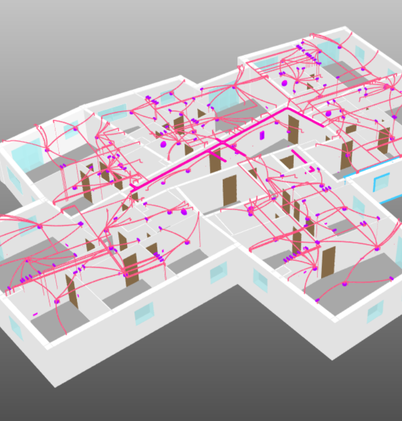
For Benoit C., these features directly expose students to the real-world working conditions of an engineering design office, thanks in particular to the 3D visualization of layouts, wiring, bills of materials, diagrams, and tables for various projects.
BIM: A Prerequisite for the BTS FED Degree
Benoit C. points out that the BTS FED curriculum now requires the use of BIM in projects. In his view, FTZ solutions precisely meet this requirement, making them an essential tool for preparing students for both the expectations of the degree program and those of the job market.
An initiative that extends beyond the high school's walls
Benoit C.’s commitment extends beyond his own class. He explains that he has suggested using SchemBAT to all of his electrical engineering colleagues whom he trains each year on the electrical module of the BIM MEP course.