In industrial and electrical projects, changes are part and parcel of day-to-day operations. A change requested by a client, a regulatory requirement, a change of component or a technical optimisation can arise at any time. Whilst these adjustments are unavoidable, keeping track of them presents a major challenge for design offices. Rigorous management of revisions ensures the consistency of technical documentation, enhances the traceability of technical changes and minimises the risk of errors throughout the project.
The real challenge is not to change a diagram
Editing a technical file is usually straightforward.
The real challenge lies in ensuring that all those involved are working on the correct version of the documents:
design office; cabling workshop; subcontractors; maintenance managers; end customer.
How often does an error stem from an out-of-date document that is still present in a shared folder or was sent by email several weeks ago?
A single incorrect version can lead to a host of problems:
hours of rework in the workshop; unnecessary purchases; delays in commissioning; difficulties during maintenance operations.
Revision management therefore becomes a key element of document control and the smooth running of projects.
A growing demand for traceability
Manufacturers are now demanding greater traceability in the management of their technical files.
They wish to know:
the origin of a change; the date it was implemented; the associated impacts; the documents concerned.
This requirement applies equally to industrial projects, commercial premises and technical infrastructure.
The quality of a file is no longer measured solely by its content. It also depends on its ability to trace the history of changes and to guarantee the reliability of the information provided.
When projects become more complex
As projects grow in size, the risks associated with document management naturally increase.
The more electrical diagrams, folios, bills of materials and stakeholders there are, the more critical it becomes to keep track of revisions.
In this context, manual methods quickly reach their limits:
duplicate files; incomplete versions histories; scattered annotations; difficulties in identifying the latest versions; a lack of consistency between documents.
These situations often lead to errors that could be avoided through better tracking of changes.
The benefits of electrical CAD software
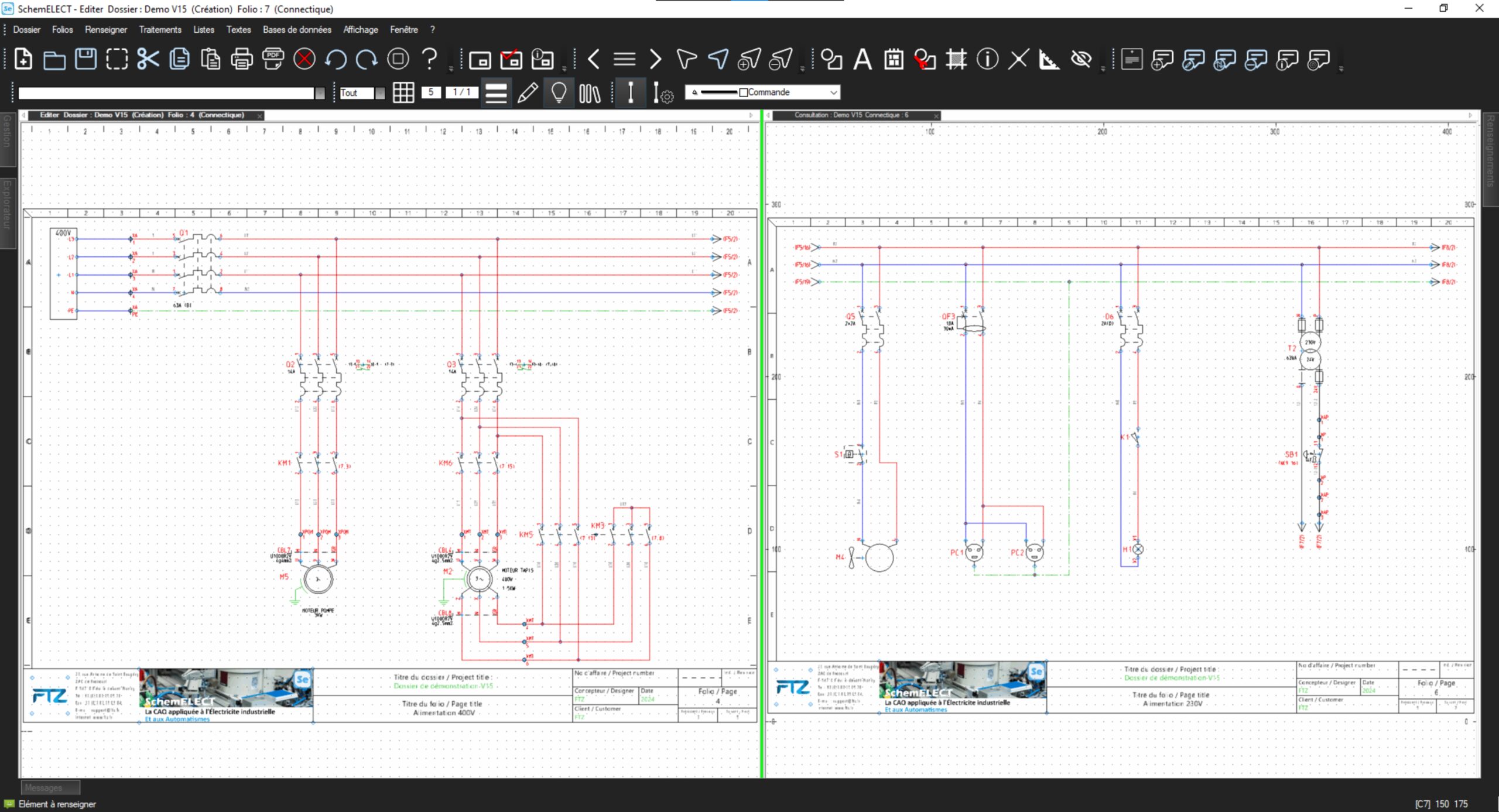
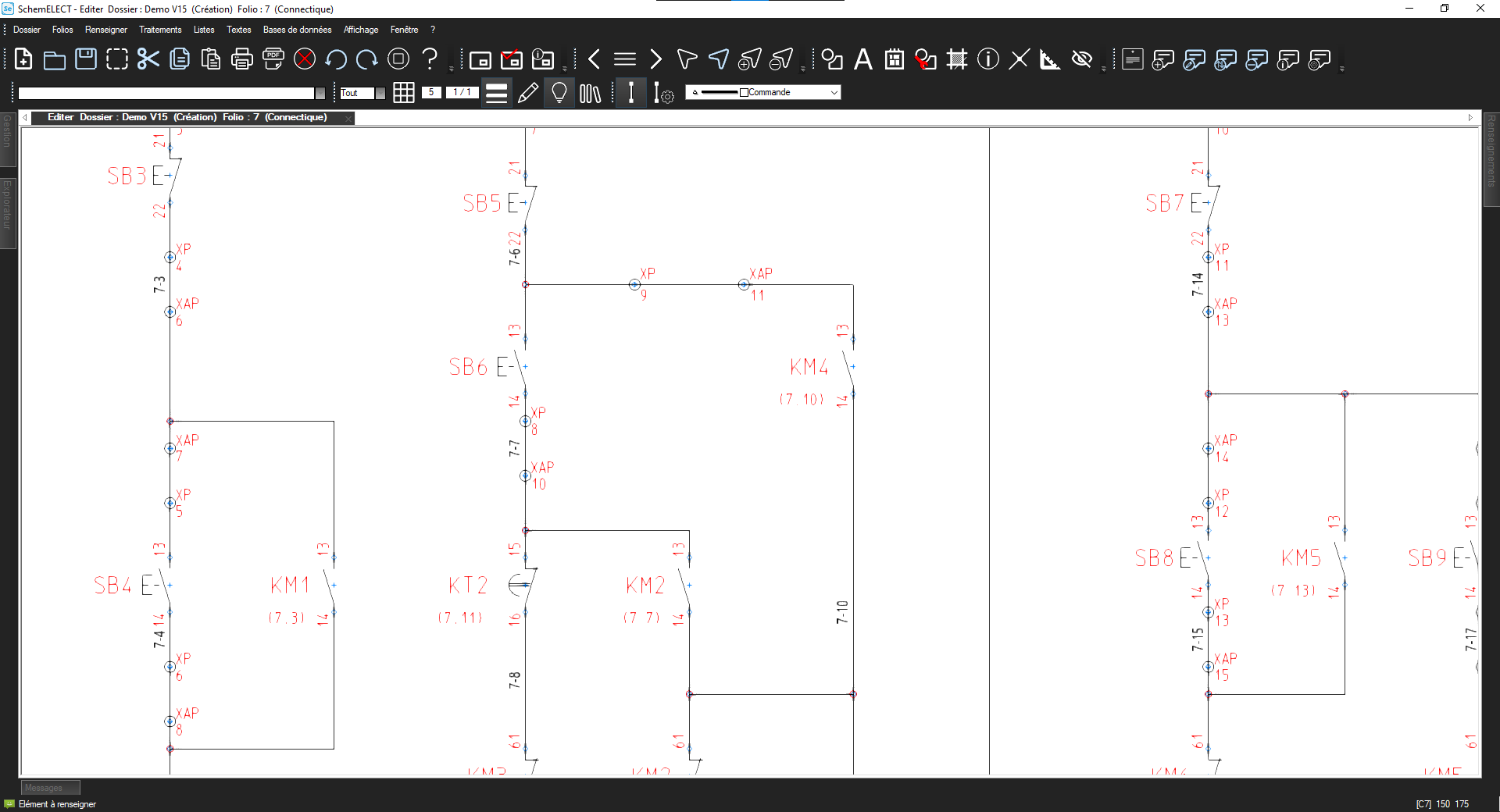
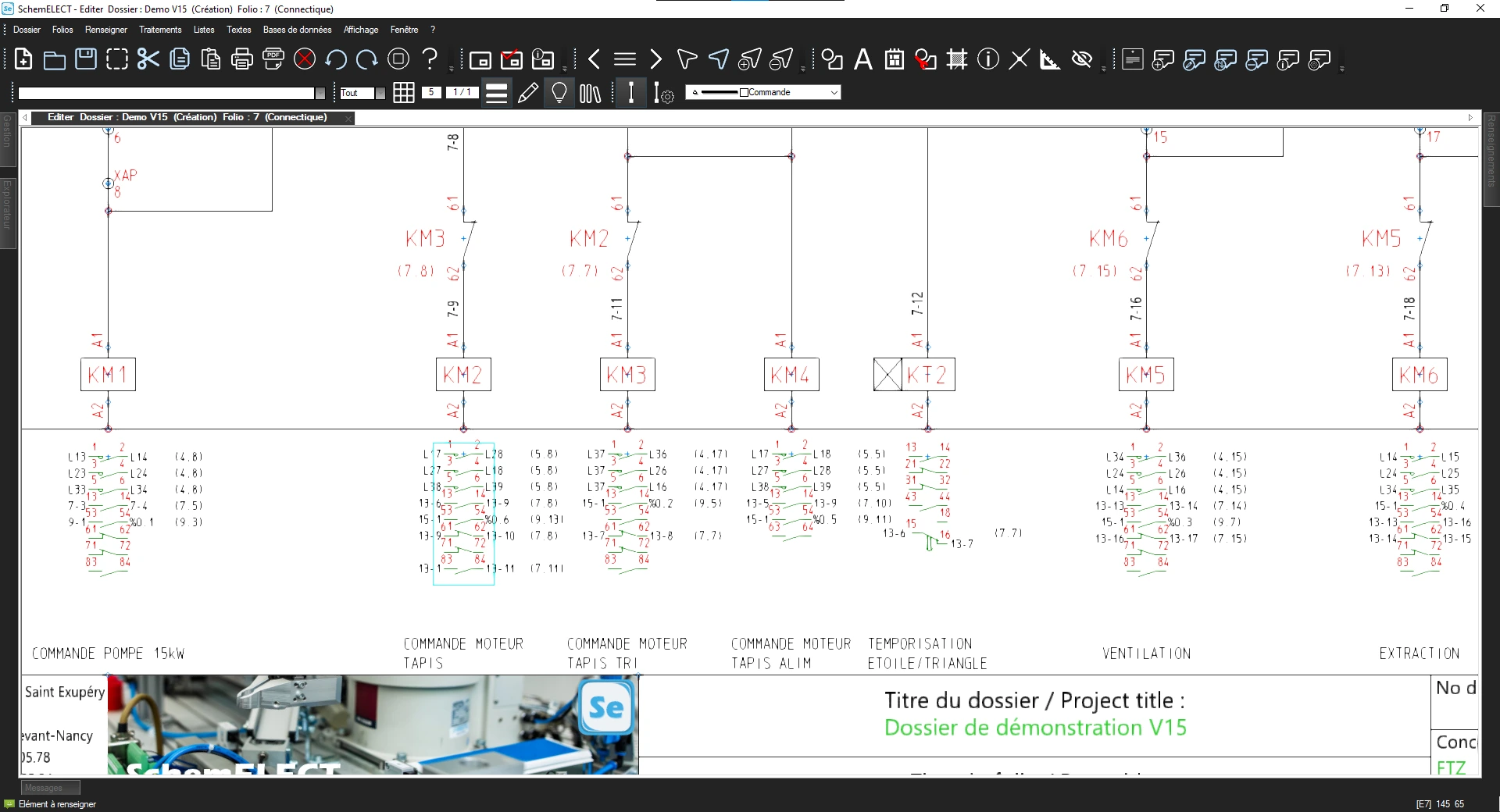
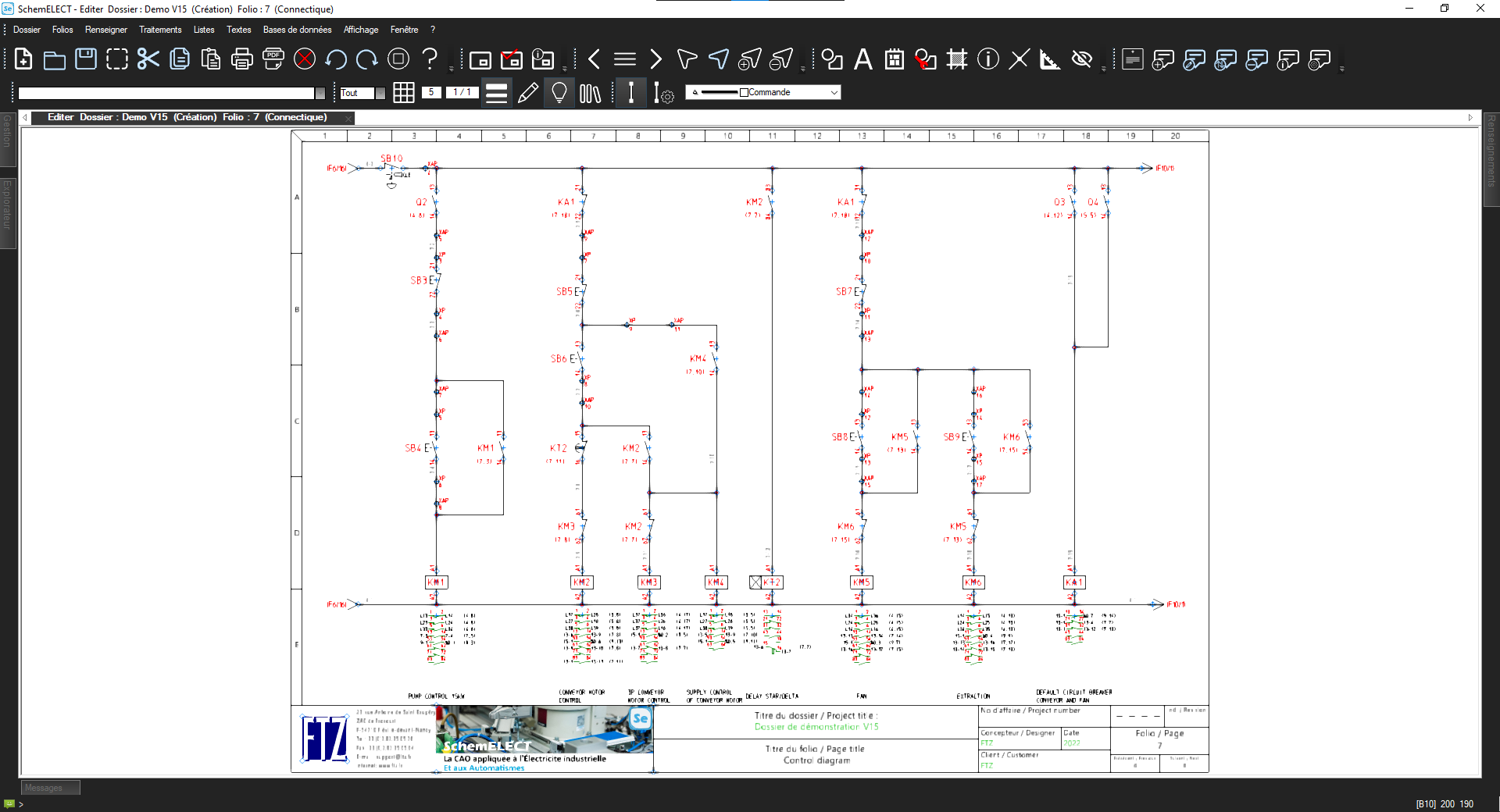
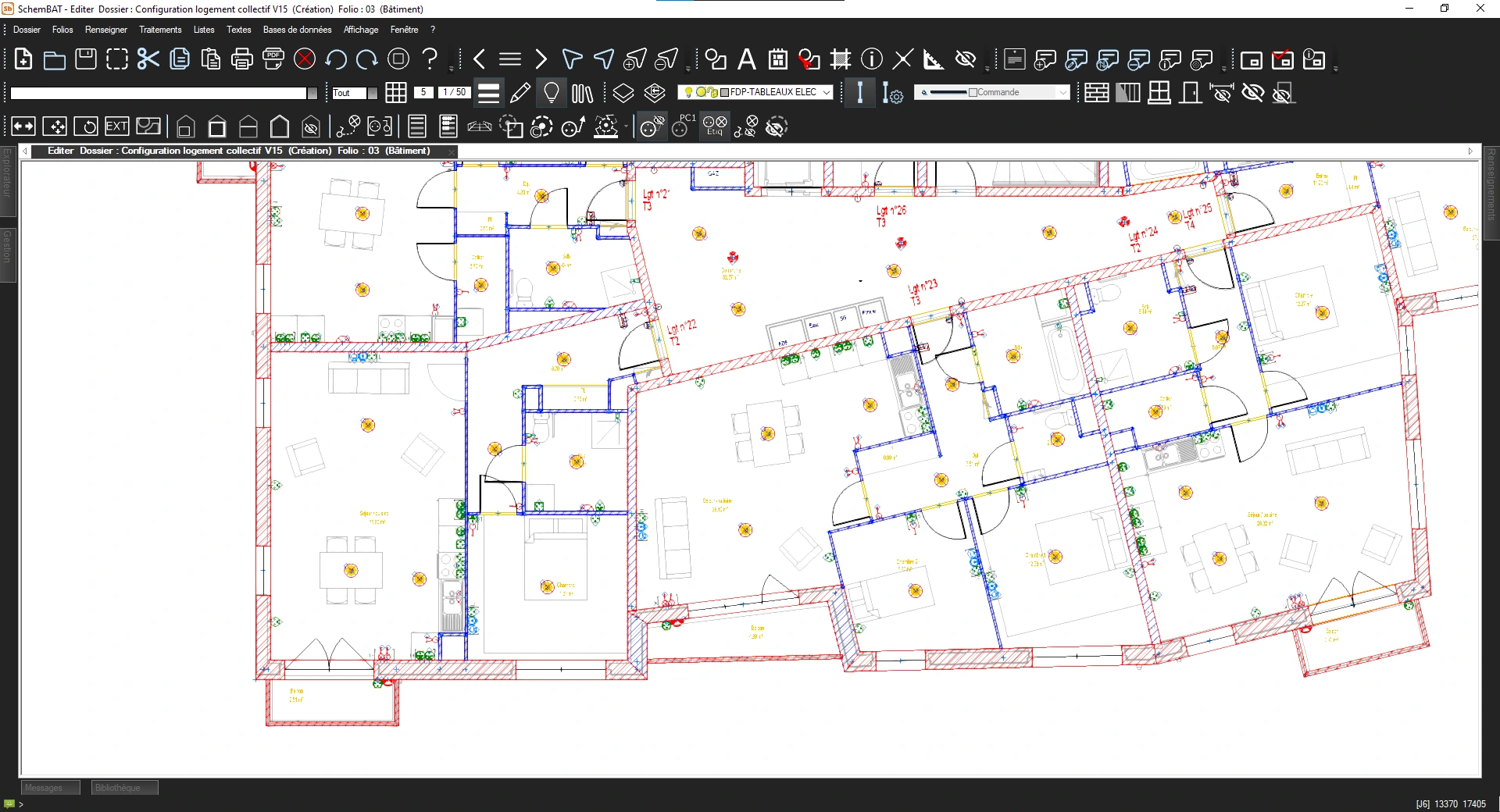
Modern electrical CAD software such as SchemELECT or SchemBAT now makes it possible to streamline and simplify revision management through automated functions.
Structured management of revision indices, change history tracking, automatic updating of associated documents, delta management, and the consistency of parts lists all help to significantly reduce the risk of errors.
These tools also improve collaboration between the various project stakeholders and ensure that everyone is working with the most up-to-date information.
The aim is not merely to save time.
Above all, it is to ensure the reliability of information throughout the installation’s lifecycle.
An often-overlooked factor in performance
Effective revision management usually goes unnoticed.
However, when it is lacking, the consequences are immediately apparent: errors, rework, delays, additional costs and customer dissatisfaction.
The most successful engineering firms have fully grasped this. They now regard document management as a genuine project management tool rather than a mere administrative obligation.
Revision management is now an essential component of document quality and the success of technical projects. Beyond simply tracking changes, it ensures the traceability of information, the consistency of technical files and the smooth flow of data between all stakeholders.
In a context where projects are becoming increasingly complex, having a reliable document management system is a real driver of performance for engineering consultancies and manufacturers.
Because ultimately, it is not just a question of producing a good set of documents.
It is about ensuring that everyone always has the right set of documents, at the right time.