Artificial intelligence is making its way into nearly every industry. Electrical CAD software is no exception. But between marketing hype and the reality on the ground, it’s helpful for engineering firms considering this to take stock of the situation.
The Early Days of AI in Electrical CAD
The integration of artificial intelligence into electrical schematic software is still in its early stages. Practical applications remain limited and are often experimental. Today, we’re talking about automatic component suggestions, detection of inconsistencies in a diagram, and assistance with completing parts lists. These are promising features, but they need to be tested in real industrial settings before we can say they’ve reached maturity.
How AI Could Transform Electrical Engineering
In the medium term, the application of artificial intelligence to electrical software could transform certain stages of the work carried out by design offices. The automatic generation of diagrams from specifications, automated compliance checks, and optimisation of cabling are all promising avenues. For repetitive or highly standardised projects, the time savings could be significant. The most time-consuming and least creative tasks are naturally the first candidates for automation.
Human expertise remains irreplaceable
Nevertheless, the idea that AI would replace technicians or engineers in design offices is premature. Designing an electrical diagram requires a detailed understanding of on-site constraints, client requirements, current standards and the context of each project. It is as much a matter of judgement as it is of technical skill. Artificial intelligence can assist, suggest and verify, but it cannot replace the expertise gained in the field or the ability to make decisions in non-standard situations. In a sector where an error in a diagram can have tangible consequences for the safety of a facility, this distinction is essential.
AI or algorithms: beware of confusion
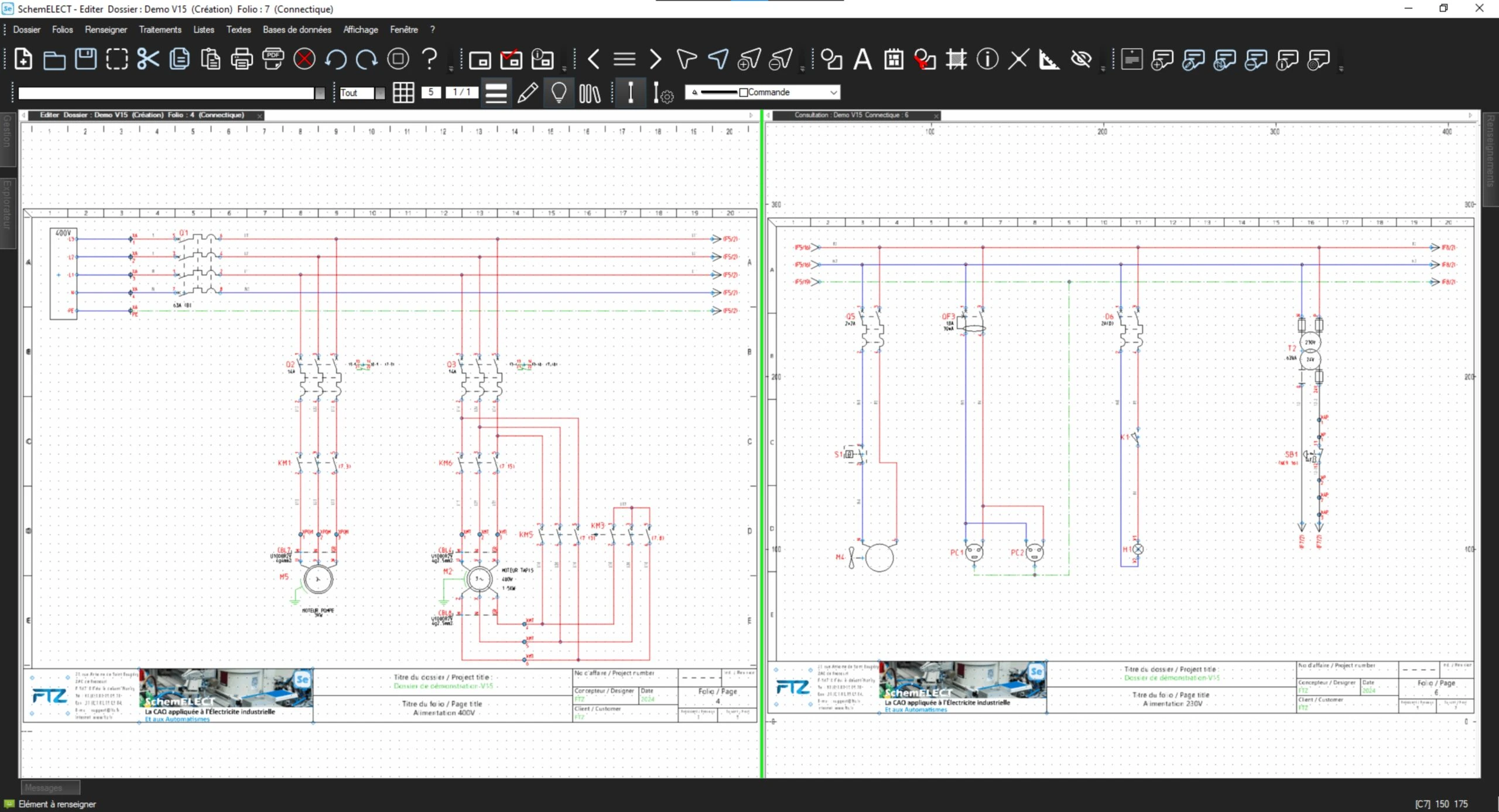
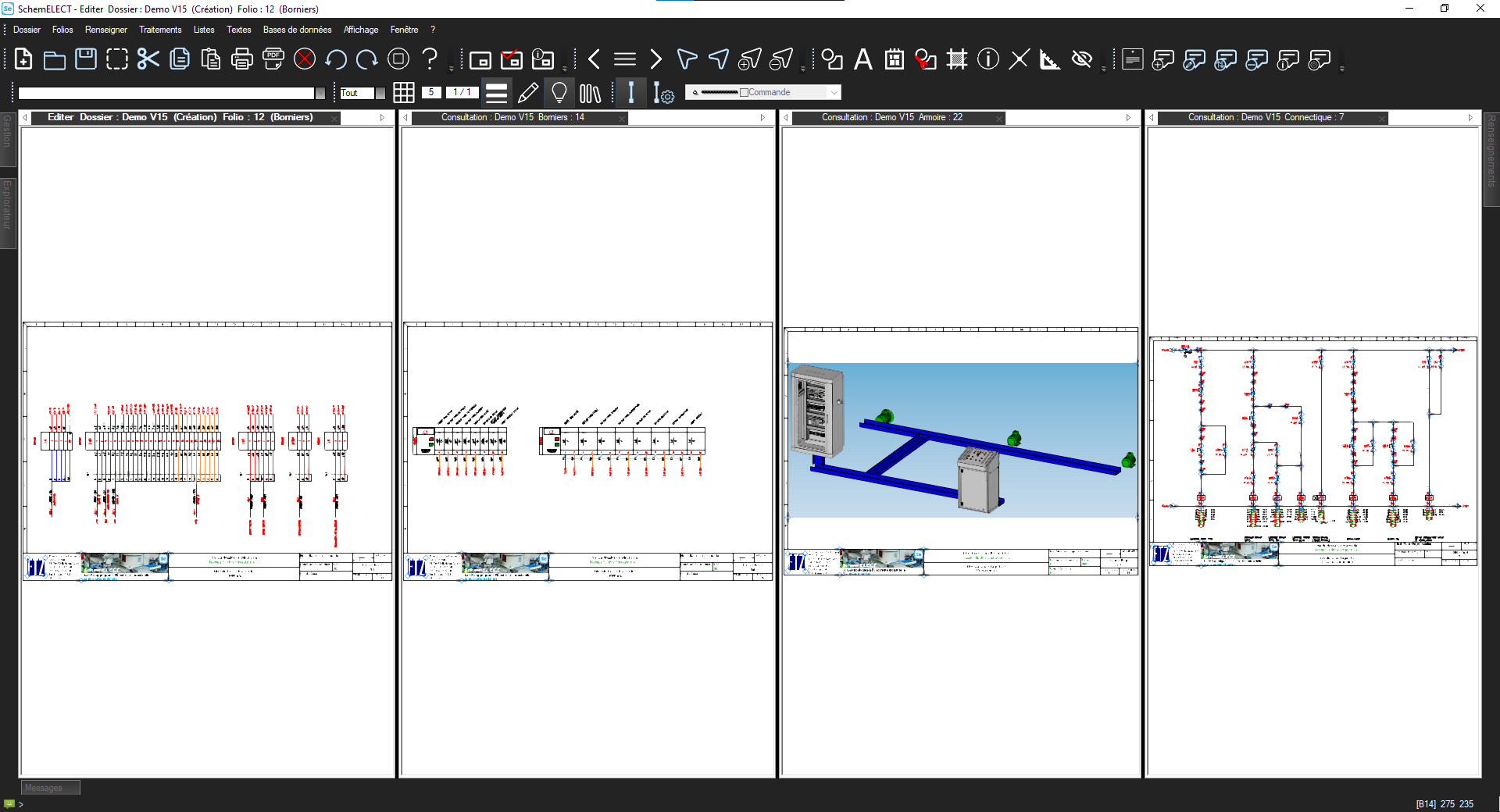
This is perhaps the most important point in the debate. Some electrical software publishers now talk about artificial intelligence when they are actually referring to algorithmic features that have existed in their tools for years, such as the automatic generation of parts lists, consistency checks or ‘smart’ component libraries. These features are useful and form an integral part of good electrical schematic software, but they do not constitute AI in the strict sense. Confusing the two perpetuates an ambiguity that does not serve users well. An engineering firm evaluating electrical software would be well advised to ask the question precisely: is it a deterministic algorithm or a model that learns and adapts?
In summary
Artificial intelligence in electrical schematic software is a topic worth keeping a close eye on, but with a clear-headed perspective. The changes will be real and gradual, and will not be replacing the expertise of the professionals who keep design offices running on a day-to-day basis any time soon.
At FTZ, we have chosen to be transparent on this subject: SchemELECT and SchemBAT incorporate automated functions designed to save time on repetitive tasks and improve the reliability of electrical design, not artificial intelligence simply to follow a trend.