HVAC, which stands for Heating, Ventilation and Air Conditioning, refers to the range of technical systems that control and regulate the indoor climate conditions within a building. Also known as HVAC in English or CVAC depending on the context, this field covers a wide range of areas, from space heating to air quality management, including air conditioning and controlled ventilation.
Electrical CAD for HVAC and climate control engineering
These systems are becoming increasingly common in residential, commercial and industrial buildings. The aim is to ensure thermal comfort and air quality for occupants, whilst meeting increasingly stringent regulatory requirements. Energy efficiency, reduced CO2 emissions, compliance with environmental standards: the challenges facing modern HVAC go far beyond mere comfort. They form part of a comprehensive approach to building performance, which is a key concern for both project owners and design consultancies.
Climate engineering studies are becoming increasingly complex
HVAC projects are no longer limited to simple heating or cooling installations. Today, they incorporate a multitude of interconnected technical components: programmable logic controllers, advanced control systems, home automation solutions, monitoring interfaces, and centralised technical management (CTM) and building management system (BMS) platforms. Each project requires a combination of skills spanning electrical engineering, automation and HVAC engineering.
This increasing complexity is directly reflected in the design phases. Electrical diagrams must incorporate an ever-wider variety of equipment, control architectures that are sometimes highly sophisticated, and stricter requirements for document traceability. Design offices face tight deadlines, multi-stakeholder projects and ever-increasing client expectations. In this context, relying on high-performance CAD is no longer an option: it is an essential requirement for producing reliable, consistent designs that comply with current regulatory requirements.
The quality of deliverables produced during the design phase also has a direct impact on the shop floor. Incomplete or poorly structured diagrams lead to wiring errors, delays in commissioning and additional costs. The accuracy of the design tool therefore determines the success of the project right through to its handover.
SchemELECT : supporting HVAC design firms
In light of these challenges, SchemELECT stands out as a CAD solution tailored to the specific requirements of HVAC engineering. The software is proving increasingly popular with design offices in the HVAC sector thanks to its advanced features designed to meet their practical needs, from the design phase right through to the delivery of technical documentation.
The interface with PLCs
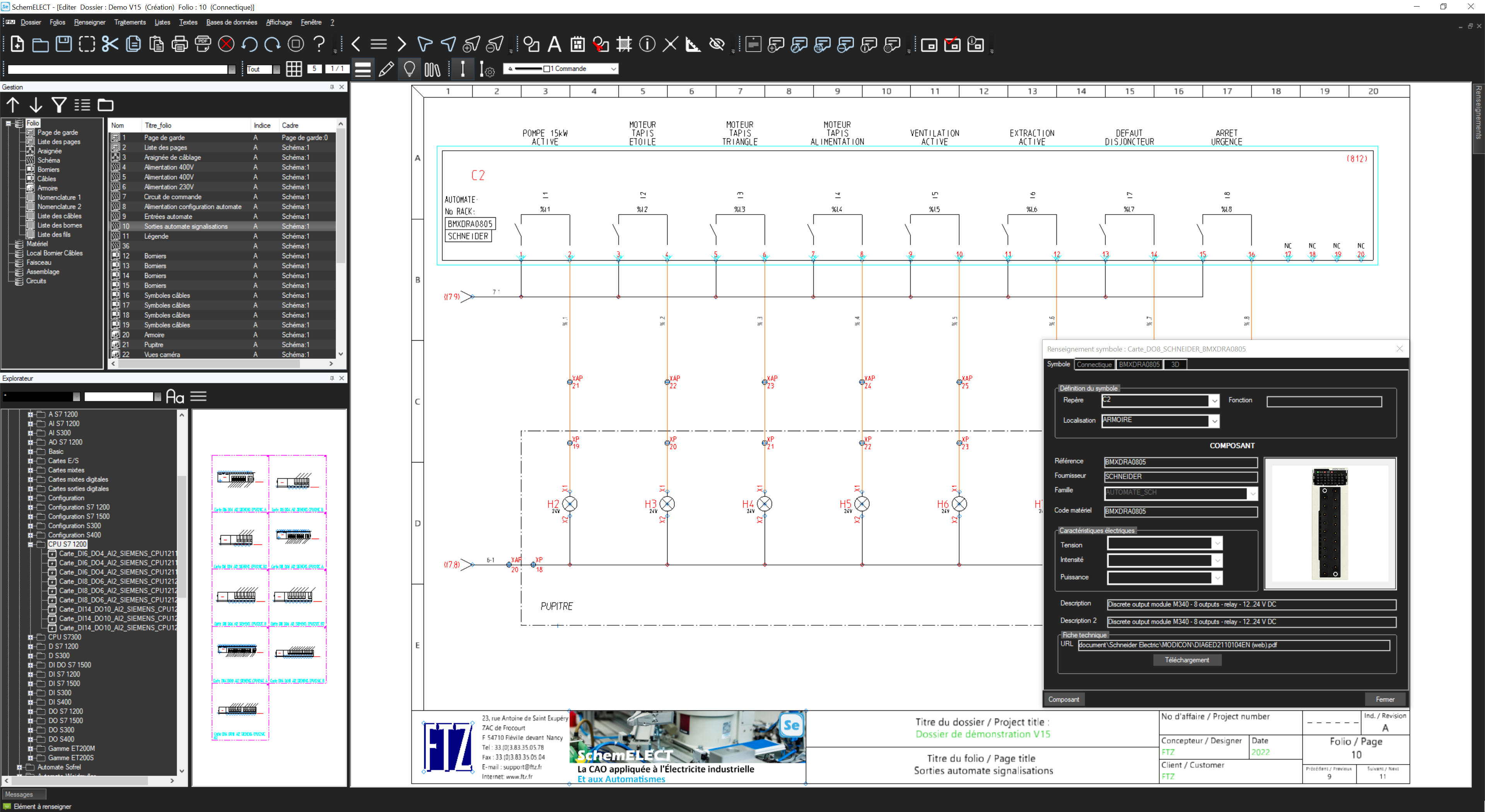
In modern HVAC projects, PLCs play a central role. They control temperature regulation, manage alarms and ensure communication between different pieces of equipment. SchemELECT allows PLC data to be integrated directly into electrical diagrams. Inputs and outputs are accurately represented, without the need for manual re-entry or the risk of inconsistencies between documents. This feature reduces design time whilst enhancing the reliability of the designs.
The detailed schematic diagram
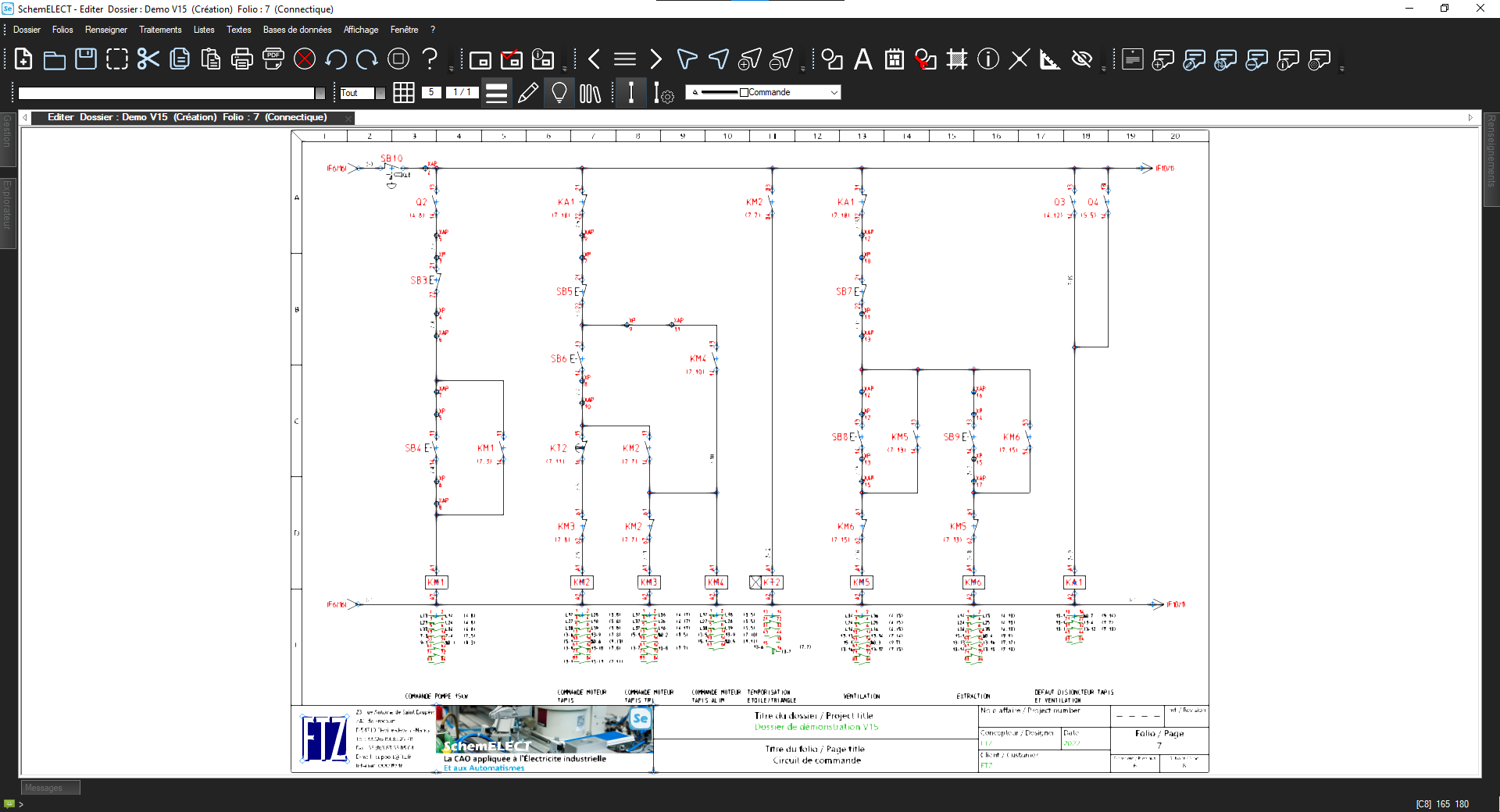
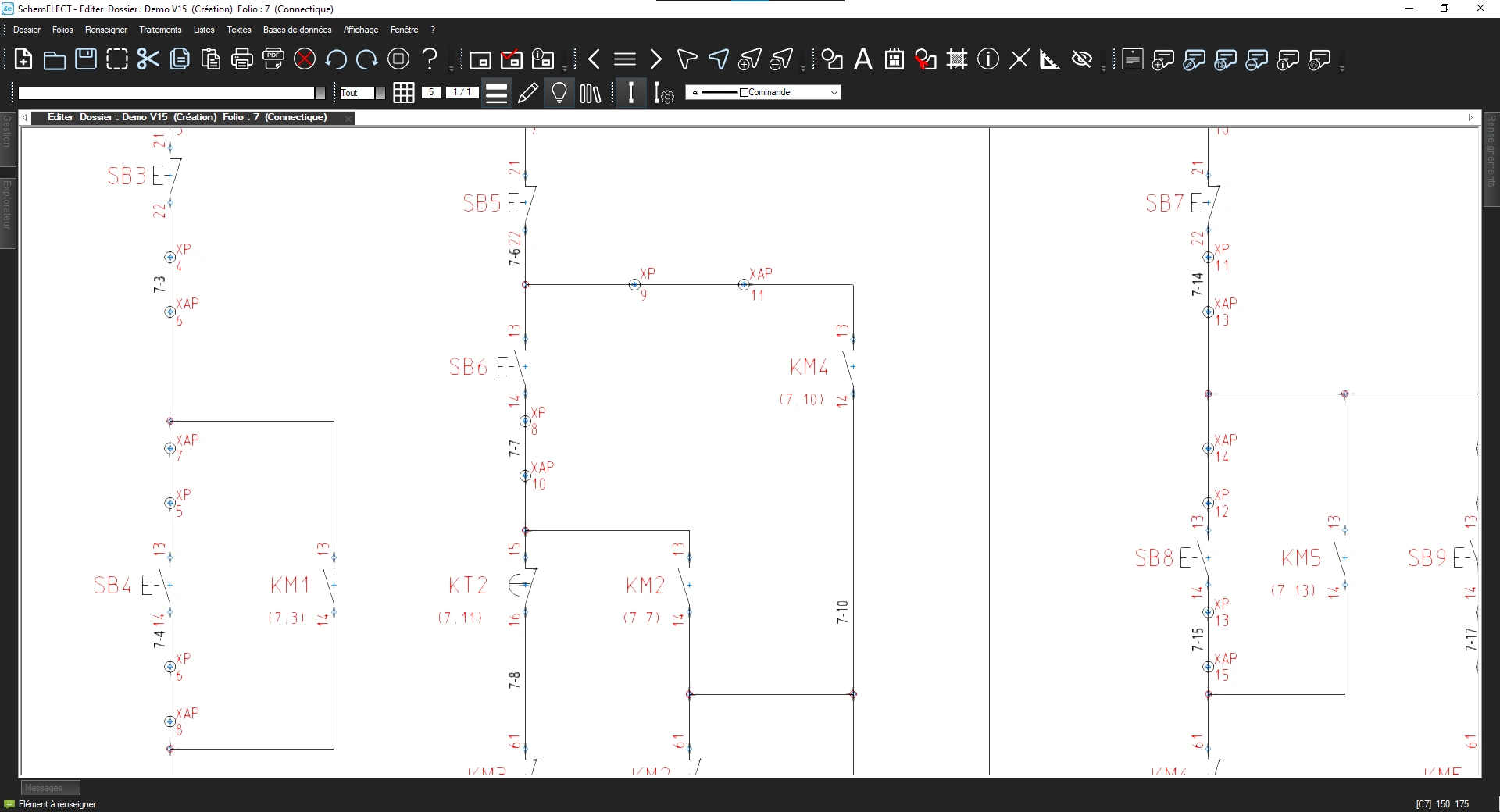
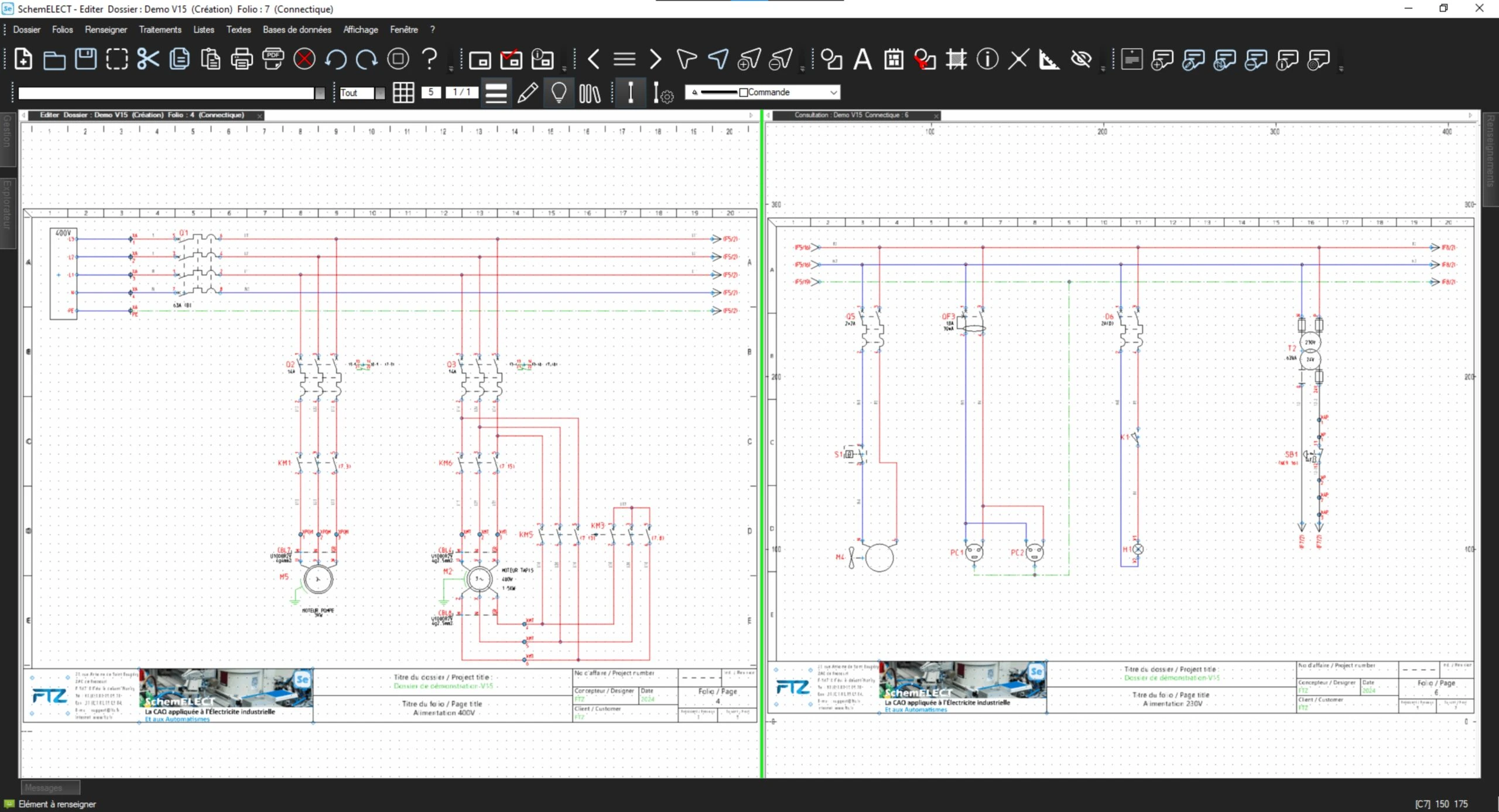
The schematic diagram is a key deliverable in any HVAC project. It illustrates the system’s electrical architecture, the connected equipment and the operational logic. SchemELECT simplifies the creation of these diagrams thanks to a tailored component library and automated drawing features that speed up production. The result is an accurate, clear document that can be used directly by the implementation teams.
Terminal block and cable management
Terminal block and cable management
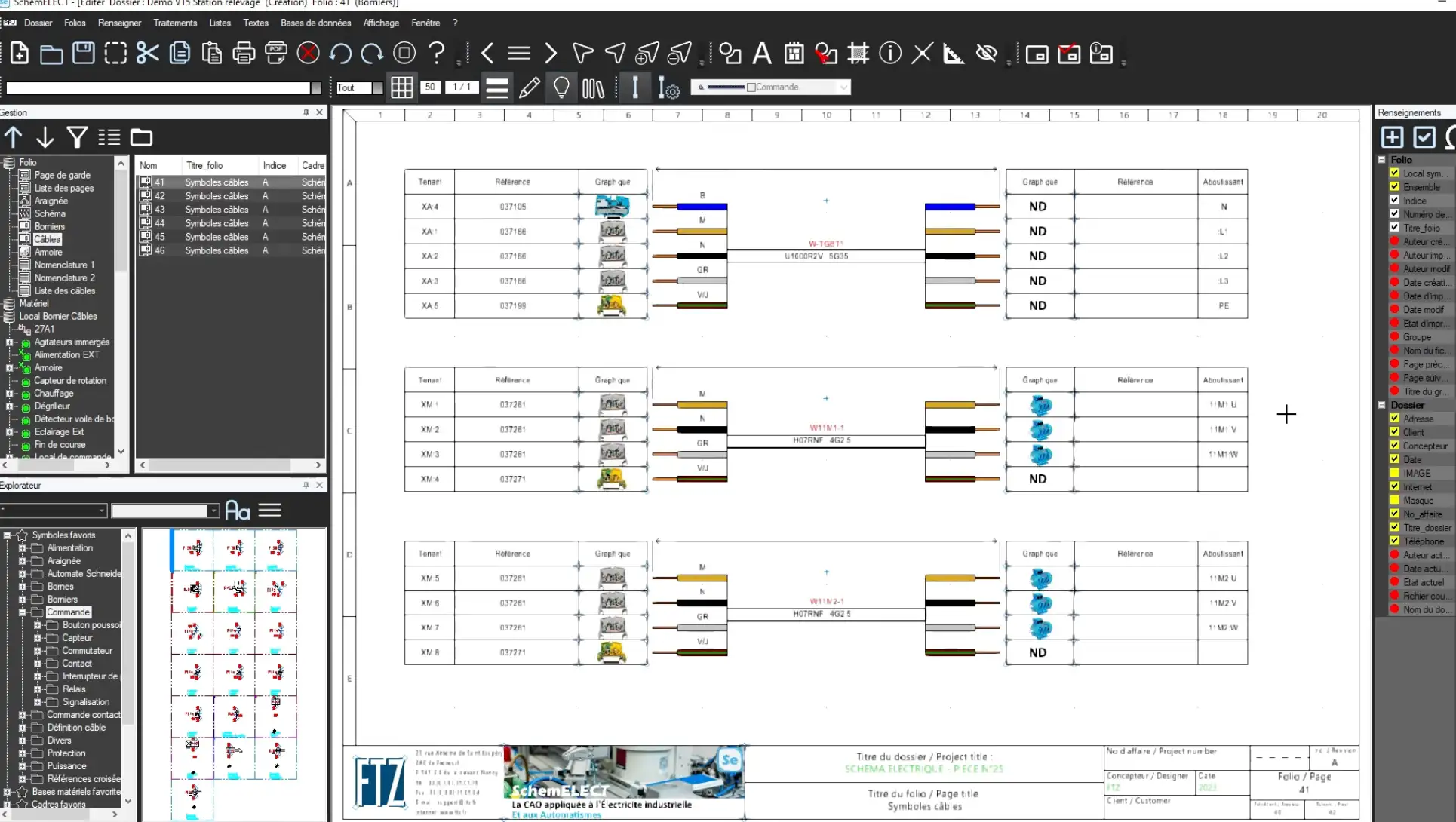
In the electrical cabinets of HVAC installations, terminal block and cable management is a critical step. An error in labelling or inconsistency between documents can lead to problems during cabling or commissioning. SchemELECT handles this management automatically, ensuring consistency between diagrams, cable lists and terminal block plans. The deliverables are generated directly from the software, without the need for manual reprocessing.
Cabinet installation
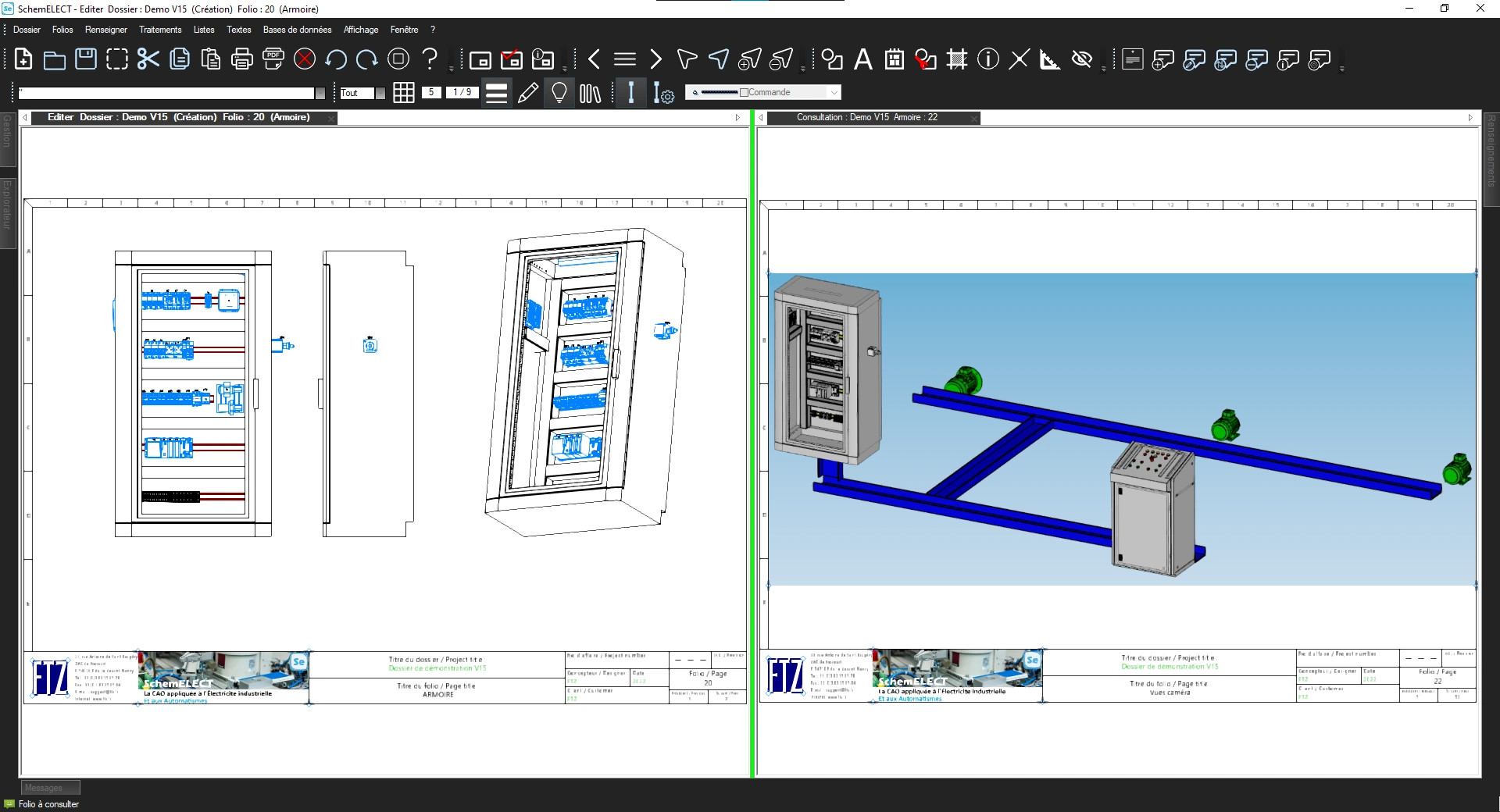
The cabinet layout function allows equipment to be visualised and arranged within its actual environment right from the design phase. Design offices can thus check space requirements, anticipate installation constraints and produce layout plans that meet installers’ expectations. This approach reduces the back-and-forth between design and implementation, and contributes to faster commissioning.
Conclusion
In a sector where energy efficiency, technical expertise and high-quality documentation have become essential priorities, HVAC design firms need tools that meet their exacting standards. The growing complexity of HVAC projects demands CAD software capable of managing the entire design process, from schematic diagrams through to cabinet layout, including the management of terminal blocks, cables and PLCs.
SchemELECT meets these expectations with advanced features tailored to real-world conditions. It enables design firms to boost productivity, ensure the reliability of their deliverables and focus on the technical added value of their projects. For HVAC professionals seeking to optimise their electrical design process, SchemELECT is a practical and immediately operational asset.