Electrical engineering firms operate in an environment where technical, regulatory, and operational requirements are becoming increasingly demanding. Deadlines are getting tighter, projects are becoming more complex, and communication among the various stakeholders is increasing.
At the same time, new technologies are emerging: automation, BIM, 3D design, artificial intelligence, and advanced data management. Faced with these changes, many professionals are asking the same question: How can they effectively prepare their engineering firm without disrupting their work methods overnight?
The answer does not lie in systematically adopting every new development, but in a gradual approach based on appropriate tools, scalable processes, and long-term support.
Choose solutions that can evolve with the needs of the engineering firm
Preparing for the future starts with choosing the tools you use every day. Software must not only meet a project’s current needs; it must also be capable of adapting to future changes in the industry.
Whether it involves electrical design in the building or industrial sectors, engineering firms need solutions that adapt to new design methods, client requirements, and new data exchange formats.
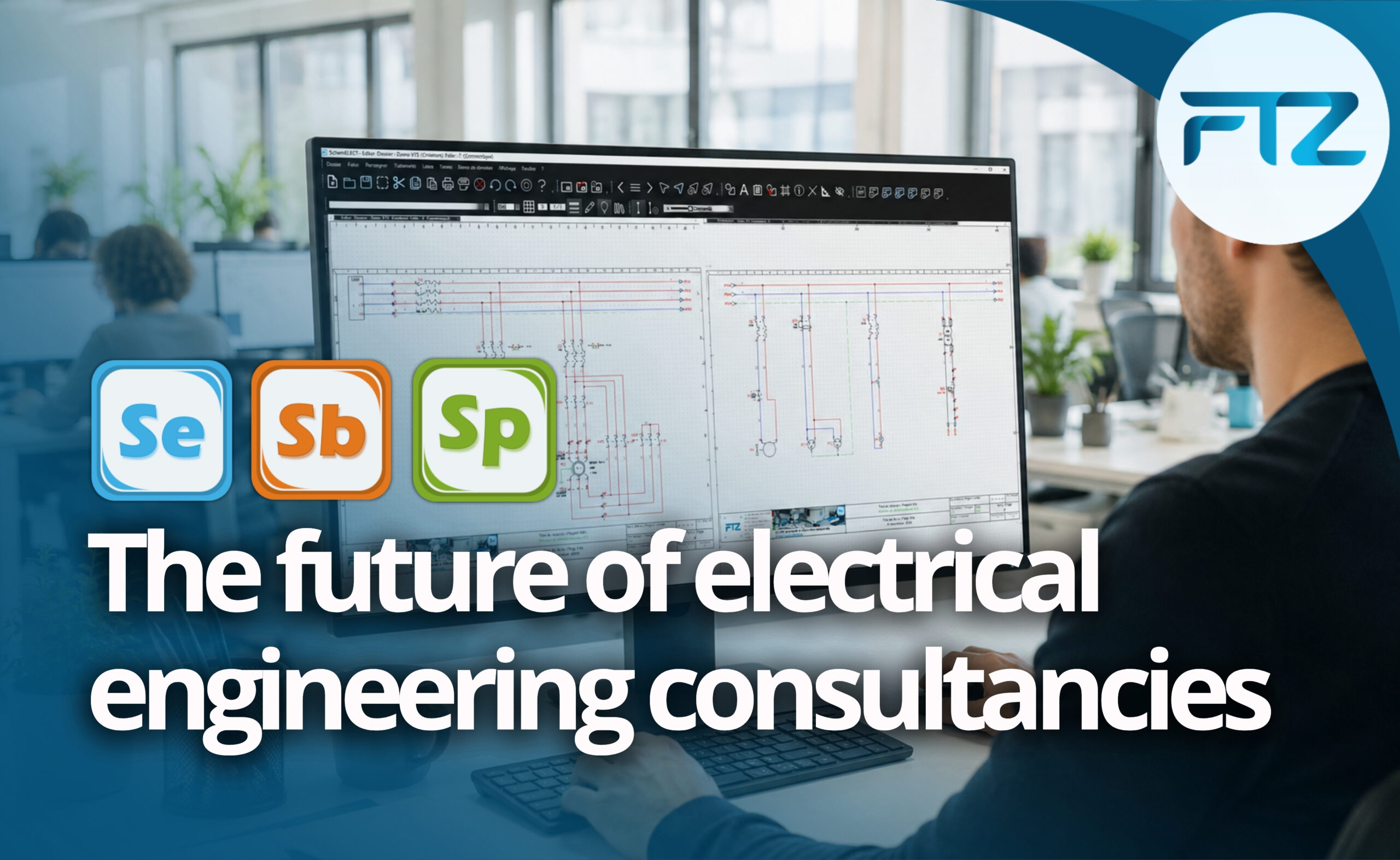
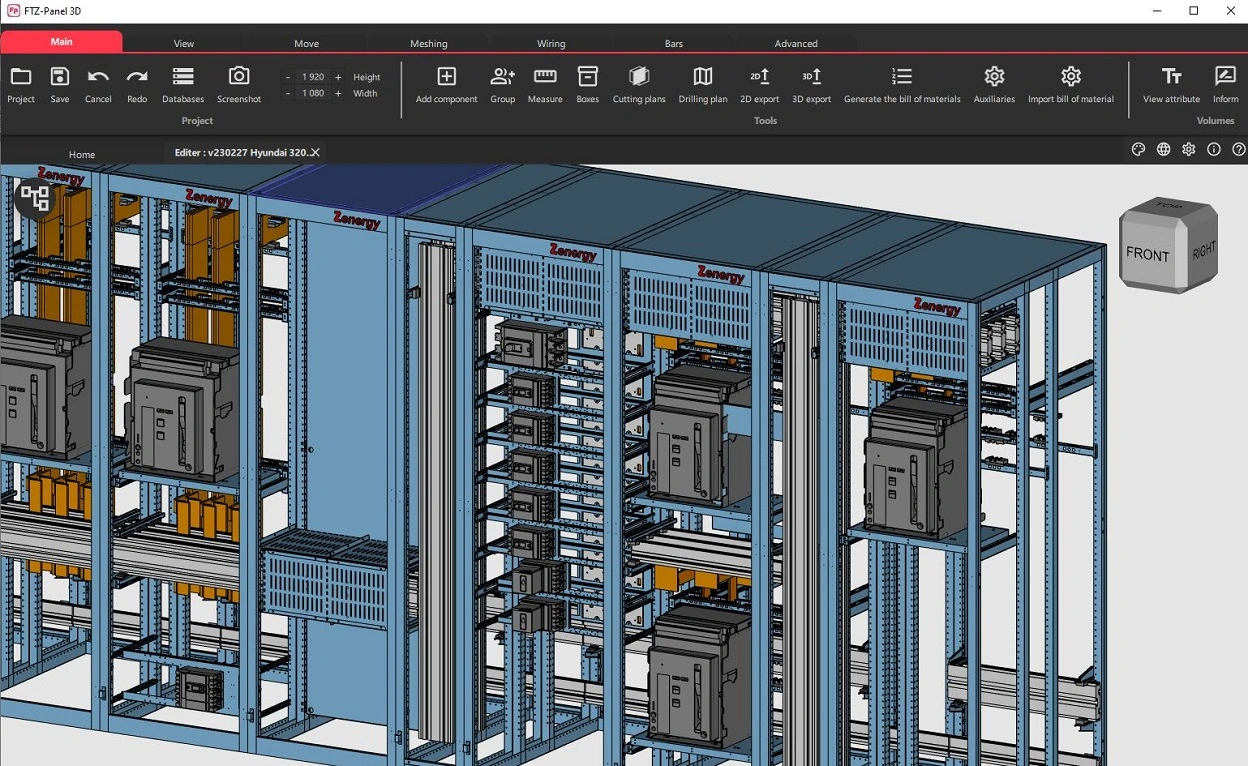
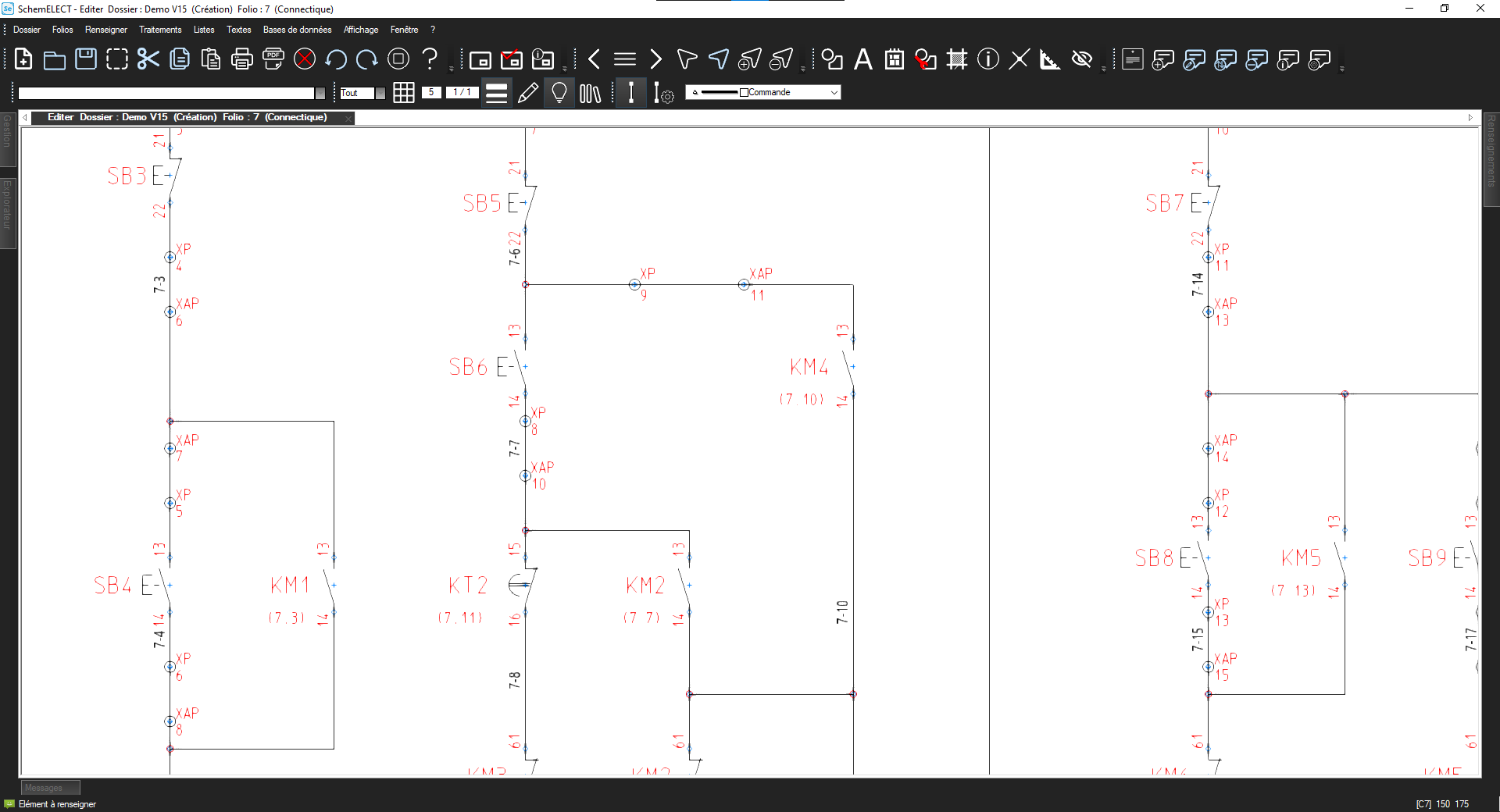
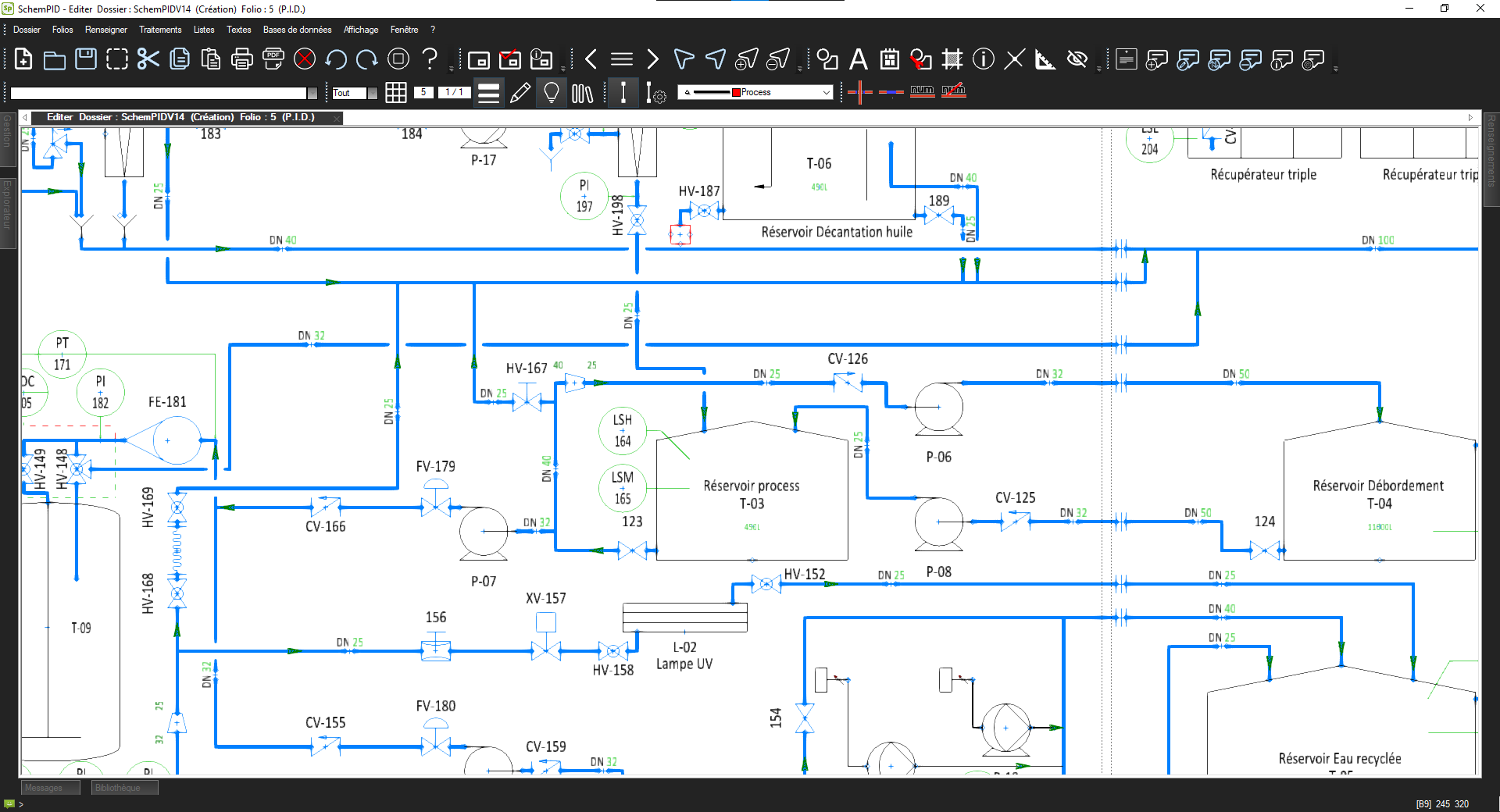
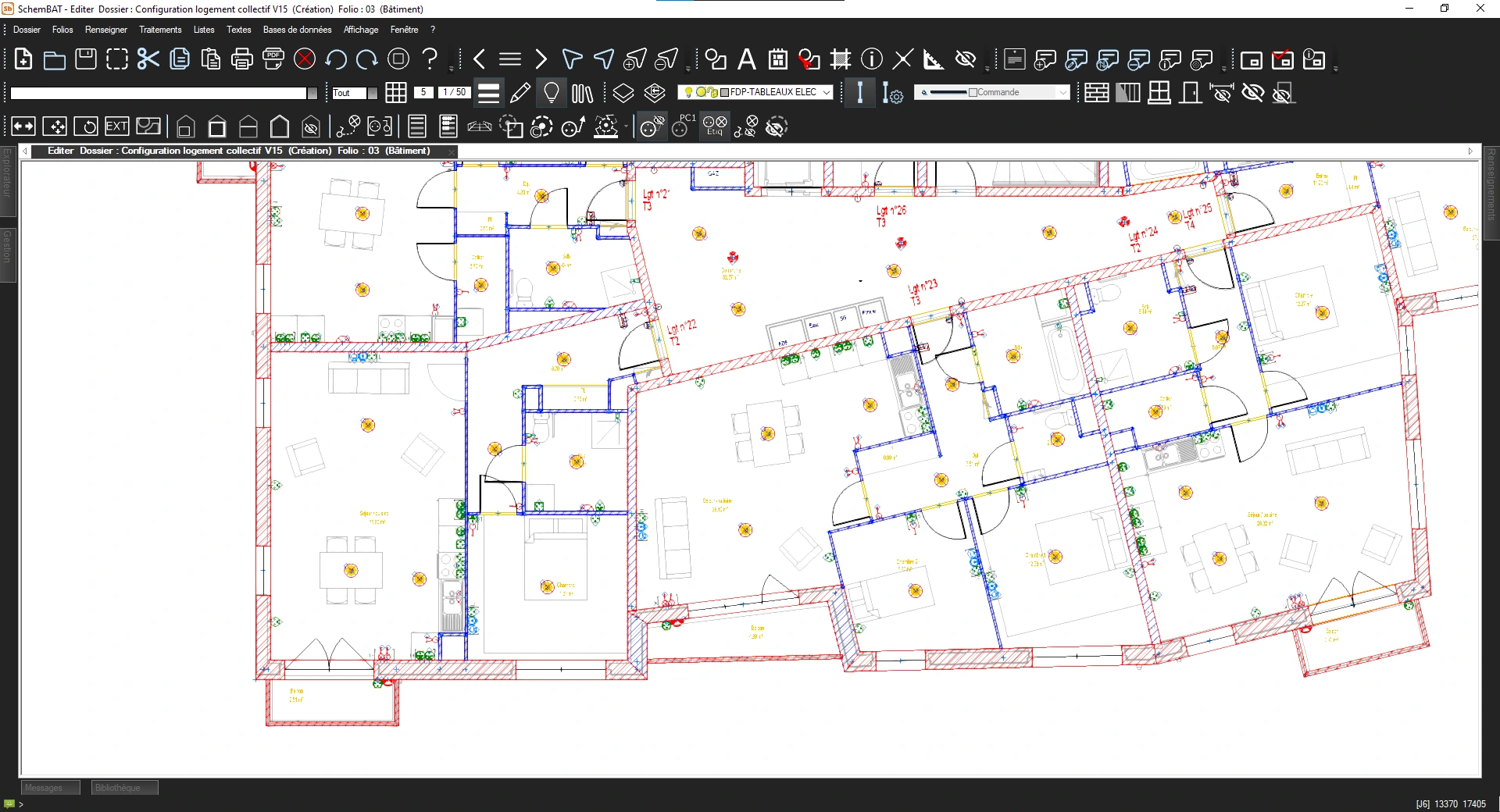
It is with this approach in mind that FTZ has been developing its software for over 40 years. Solutions such as SchemELECT, SchemBAT, SchemPID, FTZ-BIM, and FTZ-Panel 3D are constantly evolving to meet user expectations and keep pace with industry changes. This close connection to the field enables engineering firms to use tools designed to support their business over the long term.
Increase automation to improve efficiency
Automation is now one of the main drivers of productivity for engineering firms.
Repetitive tasks, re-entering information, and manually producing documents take up a considerable amount of time that could be devoted to design and technical analysis.
New-generation tools make it possible to better leverage project data to minimize manual intervention, reduce the risk of errors, and improve the overall consistency of deliverables.
At FTZ, this approach has long been integrated into our software development. The goal is simple: to enable designers to focus on their professional expertise rather than on administrative or repetitive tasks.
Preparing for the Widespread Adoption of BIM and 3D Design
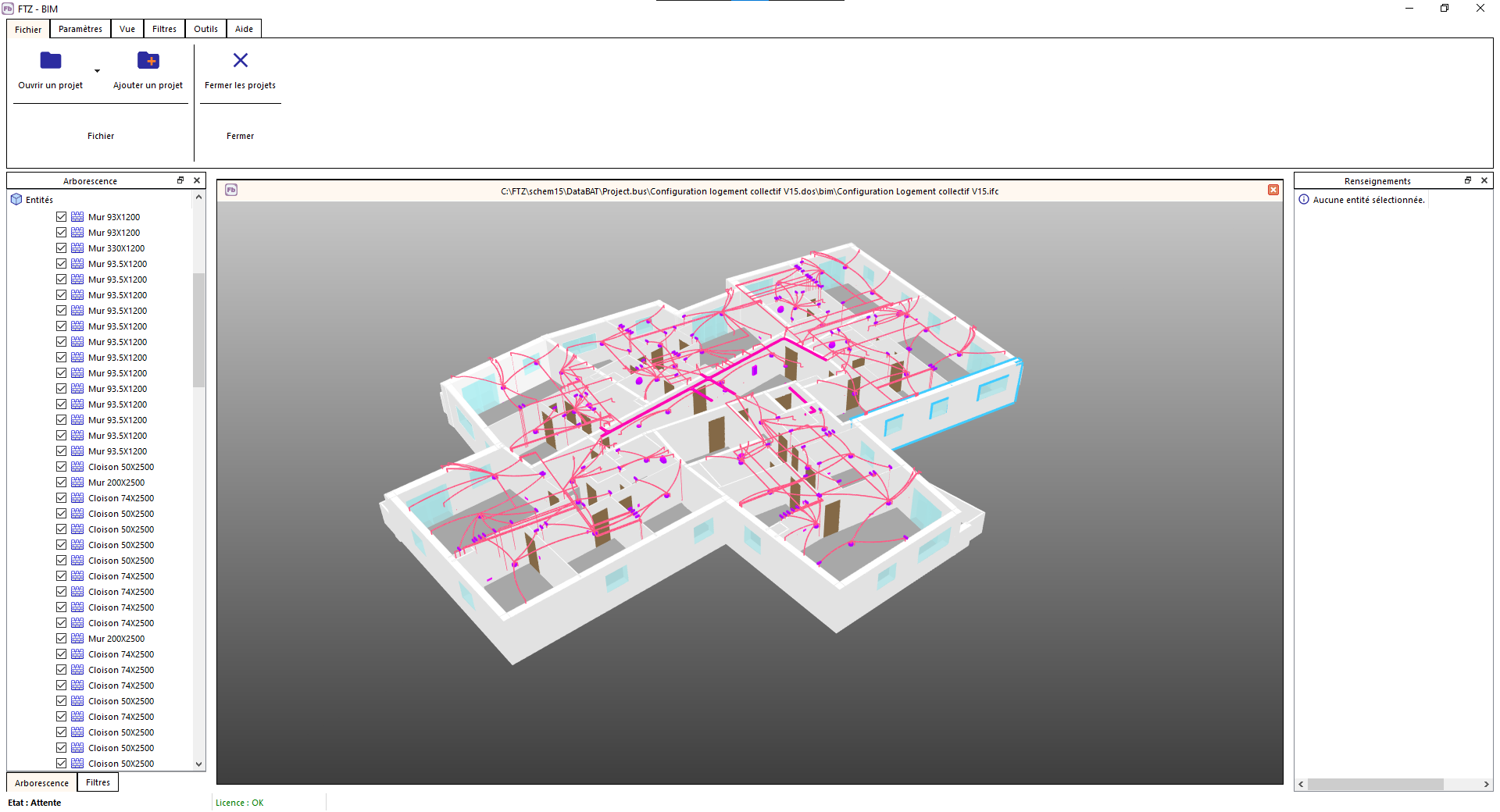
BIM is no longer limited to a few specific projects. Even when it is not yet contractually required, it is gradually establishing itself as an essential working method in many sectors.
This evolution involves improved data flow among the various project stakeholders and an increased ability to collaborate around a digital model.
For electrical engineering firms, the challenge lies in preparing for this transition without completely overhauling existing methods. A phased approach is often the most effective.
Through solutions such as SchemBAT, FTZ-BIM, and FTZ-Panel 3D, FTZ supports professionals who wish to adopt these new practices while maintaining a work environment that aligns with their operational needs.
Integrating Artificial Intelligence in a Pragmatic Way
Artificial intelligence is currently the subject of much discussion in the engineering world. However, it is important to take a realistic approach.
AI will not replace the expertise of an engineer or a design technician. Instead, it will gradually assist with certain tasks: information retrieval, data processing, drafting support, and the optimization of certain processes.
For engineering firms, the challenge is therefore not to replace human skills but to leverage tools capable of improving productivity and making work more efficient.
As with every technological advancement, FTZ closely monitors these innovations to identify applications that are truly useful to industry professionals and to prioritize solutions that deliver tangible value in the field.
Support teams as they develop their skills
The success of a technological transformation never depends solely on software.
Even the most powerful tools only deliver results when users have mastered them properly. Training, guidance, and support are therefore essential components of any modernization initiative.
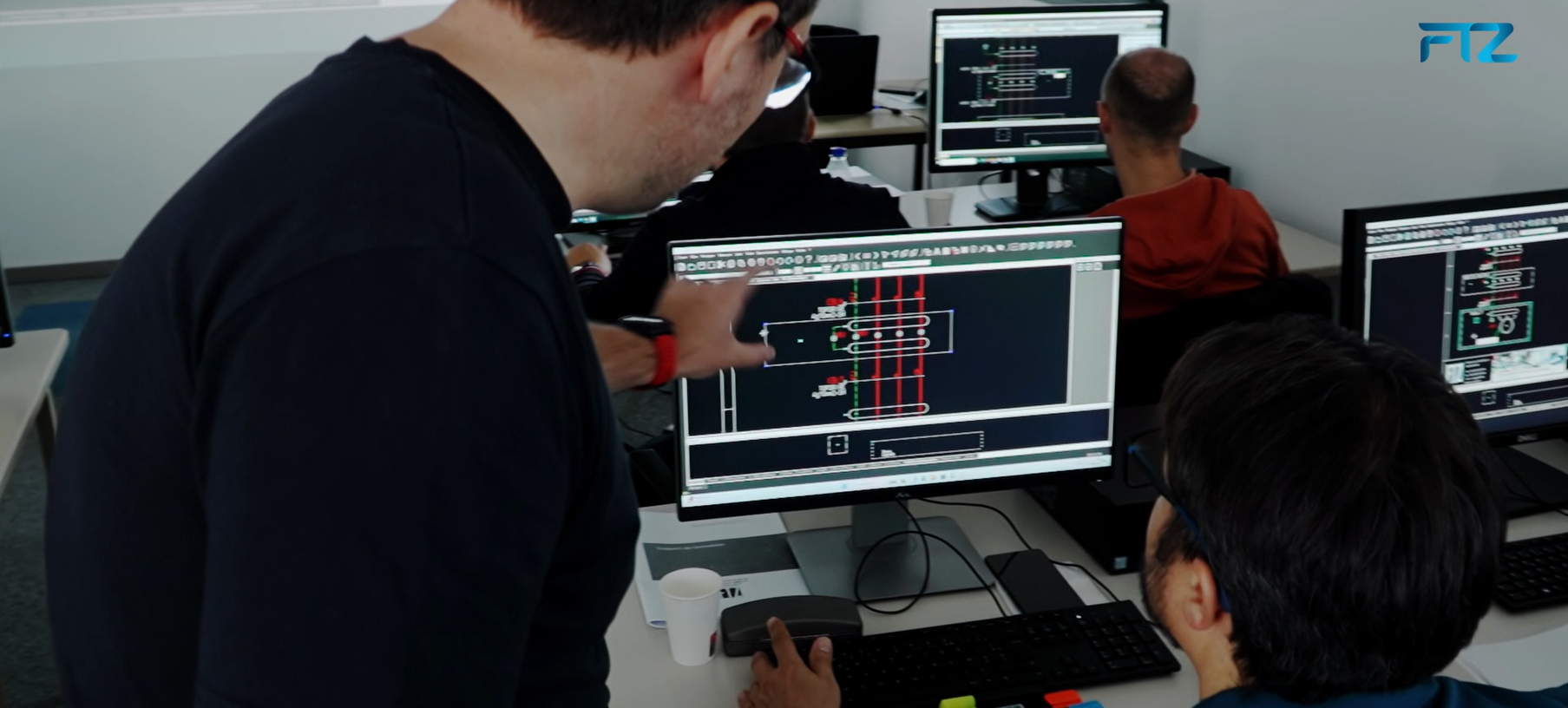
That is why FTZ does not limit itself to developing software solutions. The company also helps its clients learn how to use the tools, adapt their work methods, and gradually integrate new technologies into their engineering departments.
Preparing for the Future with a Systematic Approach
Preparing your engineering firm for upcoming technological changes does not mean changing everything immediately. Above all, it involves developing a coherent strategy based on scalable tools, thoughtful automation, an openness to BIM and 3D, and tailored support for your teams.
For several decades, FTZ has been supporting electrical engineering firms in the building and industrial sectors in this process. By combining industry expertise, software innovation, and a user-centric approach, FTZ helps professionals evolve their work methods while preserving what makes them valuable: their technical know-how.