The digital twin is often presented as one of the key technologies of Industry 4.0. Yet, despite its frequent mention in discussions about digital transformation, some manufacturers continue to wonder: Is it a futuristic concept or a reality that is already within reach?
In practice, a digital twin is a virtual representation of a piece of equipment, a machine, a facility, or even a building. Unlike a simple 3D model, it centralizes technical data that enables a better understanding, operation, and evolution of a physical system throughout its lifecycle.
Its purpose is to provide a reliable and structured view of the existing system in order to improve design, maintenance, operation, and decision-making.
The digital twin is already a reality in the industry
While the term may seem new, the principles of the digital twin are already being applied in many industrial sectors.
For example, the manufacturing industry uses digital models to simulate scenarios before going into production. Energy companies rely on these technologies to monitor and optimize their facilities. In the construction sector, BIM methods make it possible to centralize information from various trades within a single digital model.
The benefits are numerous :
reduced design errors;
improved collaboration among teams;
optimized maintenance operations;
lower operating costs;
improved traceability of technical data.
The real challenge, therefore, is no longer whether the industrial digital twin is a reality, but rather having the data necessary to use it effectively.
A growing demand for traceability
When people talk about digital twins, they often think of 3D visualization or connected technologies. However, data quality remains the most critical factor in a project’s success.
A digital model can only be useful if the information it is based on is reliable, consistent, and regularly updated. Incorrect diagrams, outdated documents, or scattered data can quickly limit the expected benefits.
This is why the engineering department plays a strategic role. From the earliest design phases, it generates the information that will subsequently be used by all project stakeholders: production, maintenance, operations, and even facility modernization.
Electrical diagrams, bills of materials, layout plans, and technical documentation thus form the building blocks of a future digital twin.
SchemELECT and SchemBAT : Preparing Tomorrow's Data Today
Creating a high-performance digital environment begins with the use of tools capable of effectively structuring technical data.
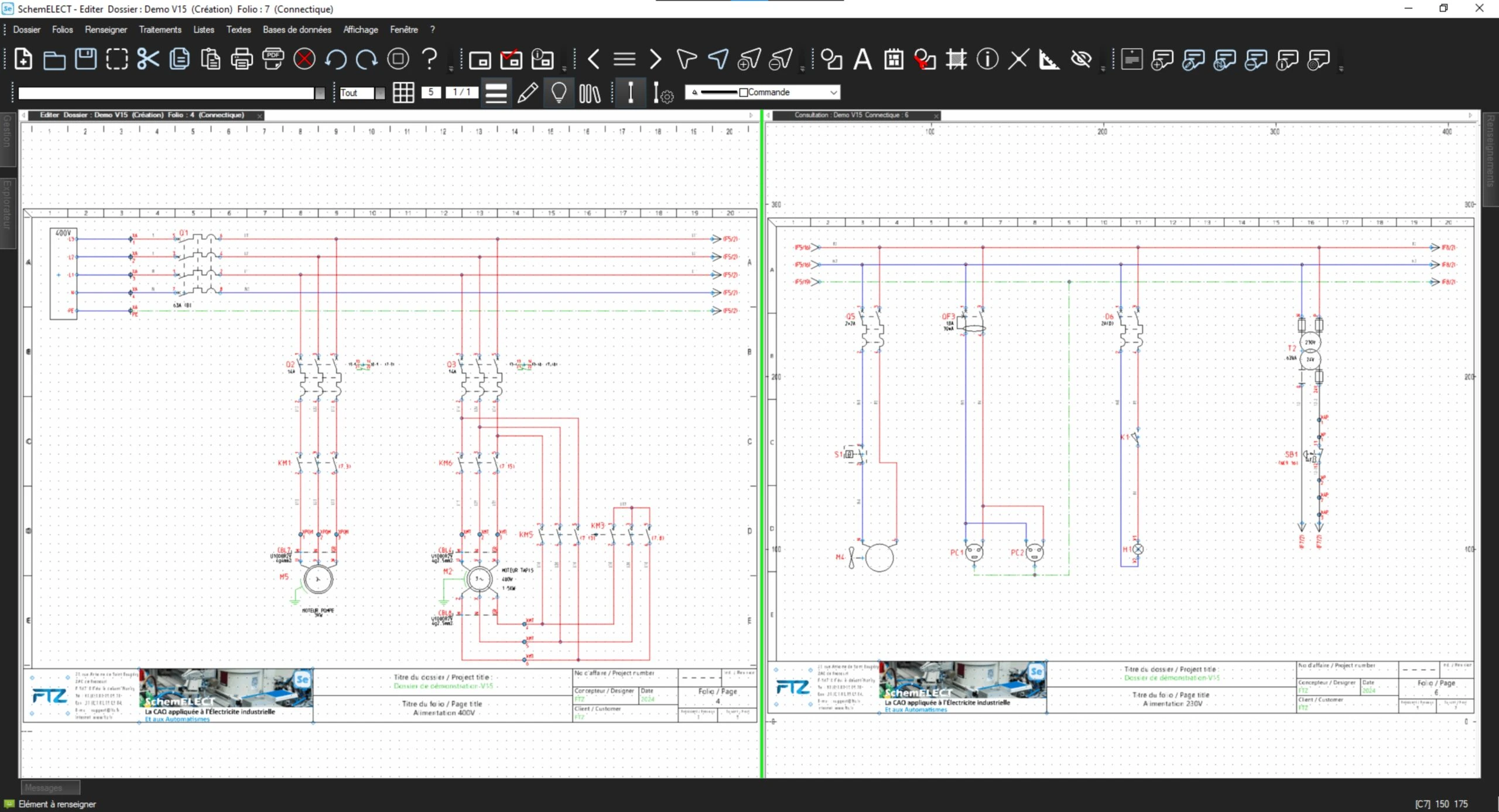
With SchemELECT and SchemBAT, engineering firms have access to solutions dedicated to electrical design that enable them to produce standardized, consistent, and easily usable diagrams.
Beyond productivity gains, these software solutions help improve the quality of the data generated right from the design phase. This structured format then facilitates the reuse of the data in other digital tools or processes.
In the context of an industrial digital twin approach, having reliable, centralized information is a major asset for ensuring data continuity throughout the entire lifecycle of the facilities.
3D and BIM : Essential Building Blocks of the Digital Ecosystem
The digital twin is not based solely on diagrams and databases. Visualization technologies also play an important role in understanding and managing industrial projects.
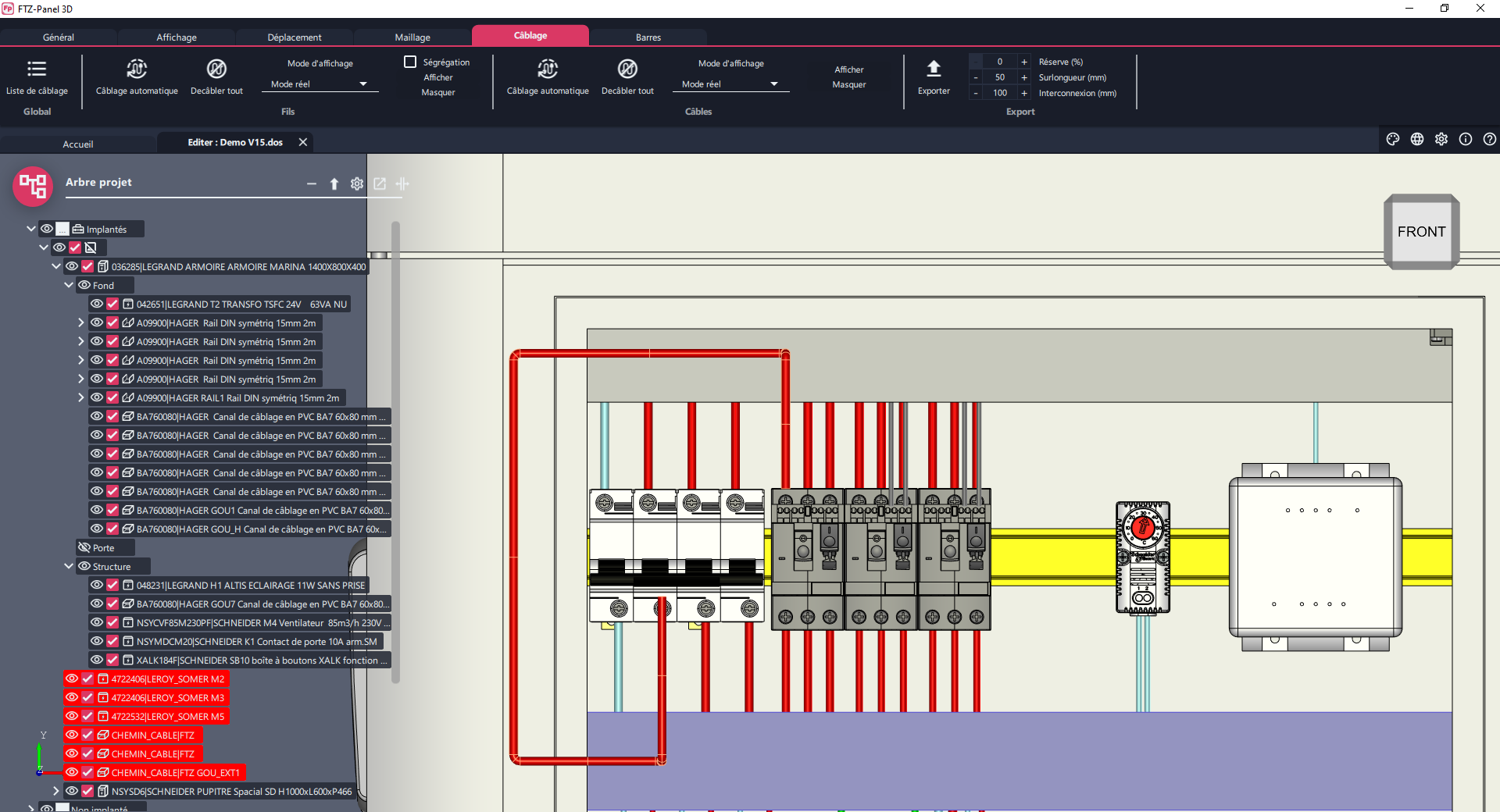
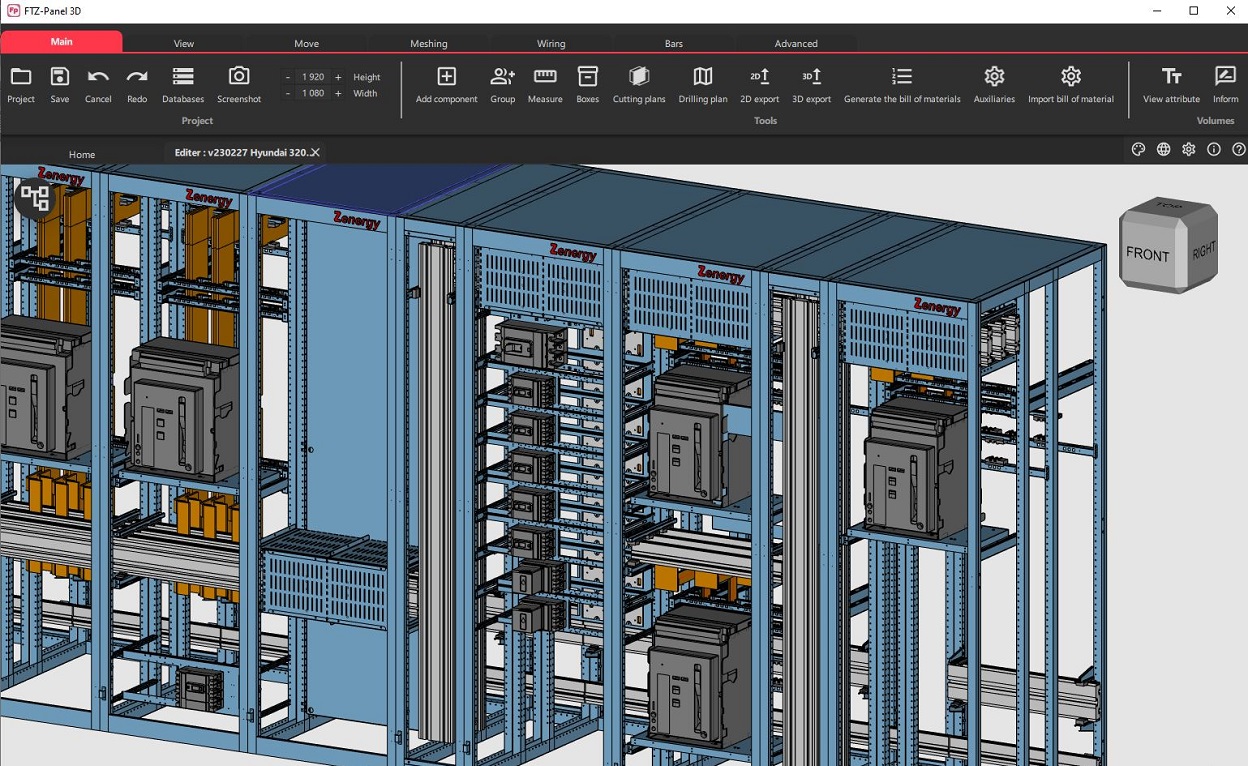
With the FTZ-Panel 3D CAD software, designers can visualize the layout of components and wires within electrical cabinets and more easily verify consistency between design and implementation. This approach helps anticipate certain technical constraints and streamlines communication among the various stakeholders.
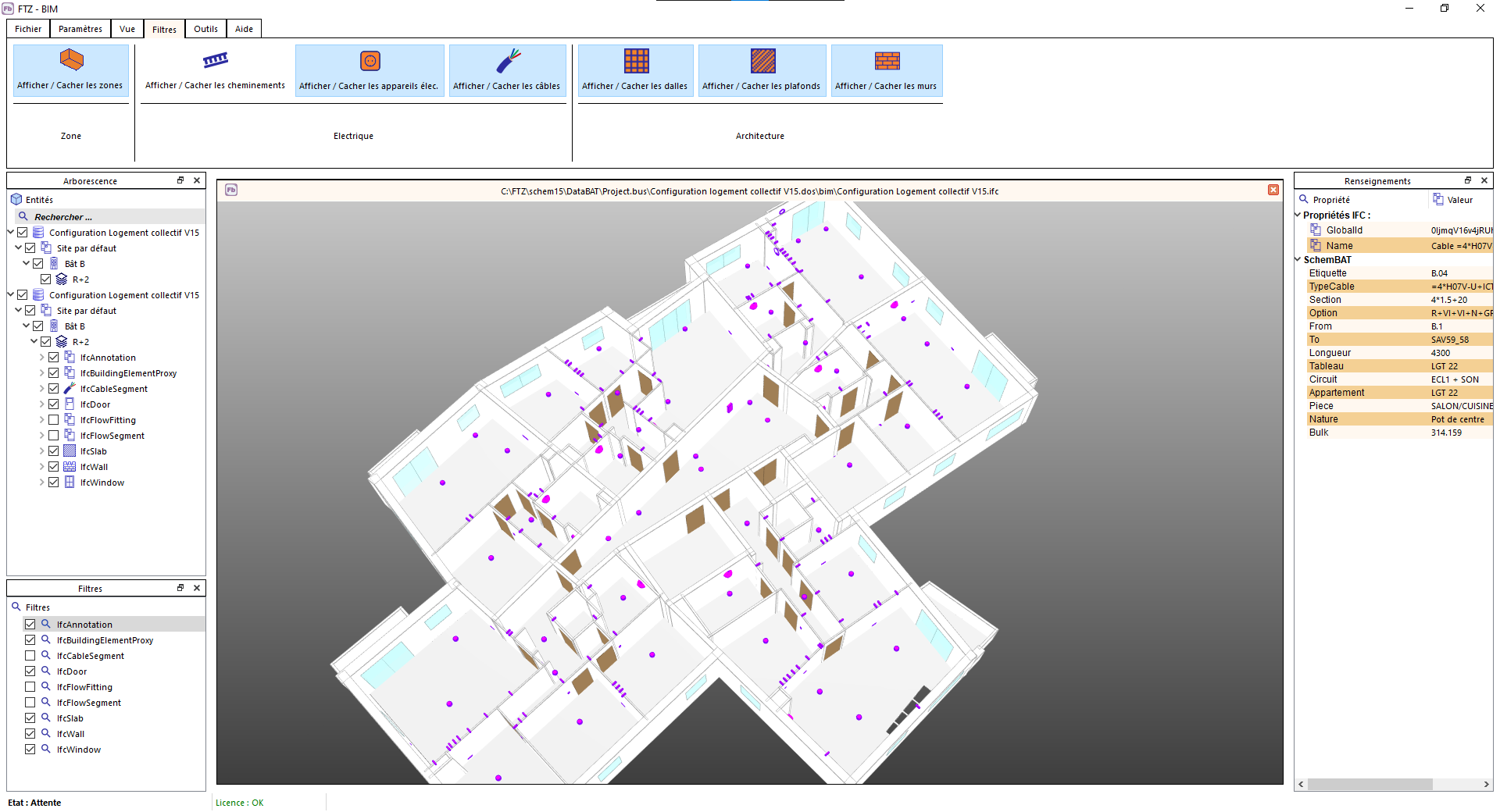
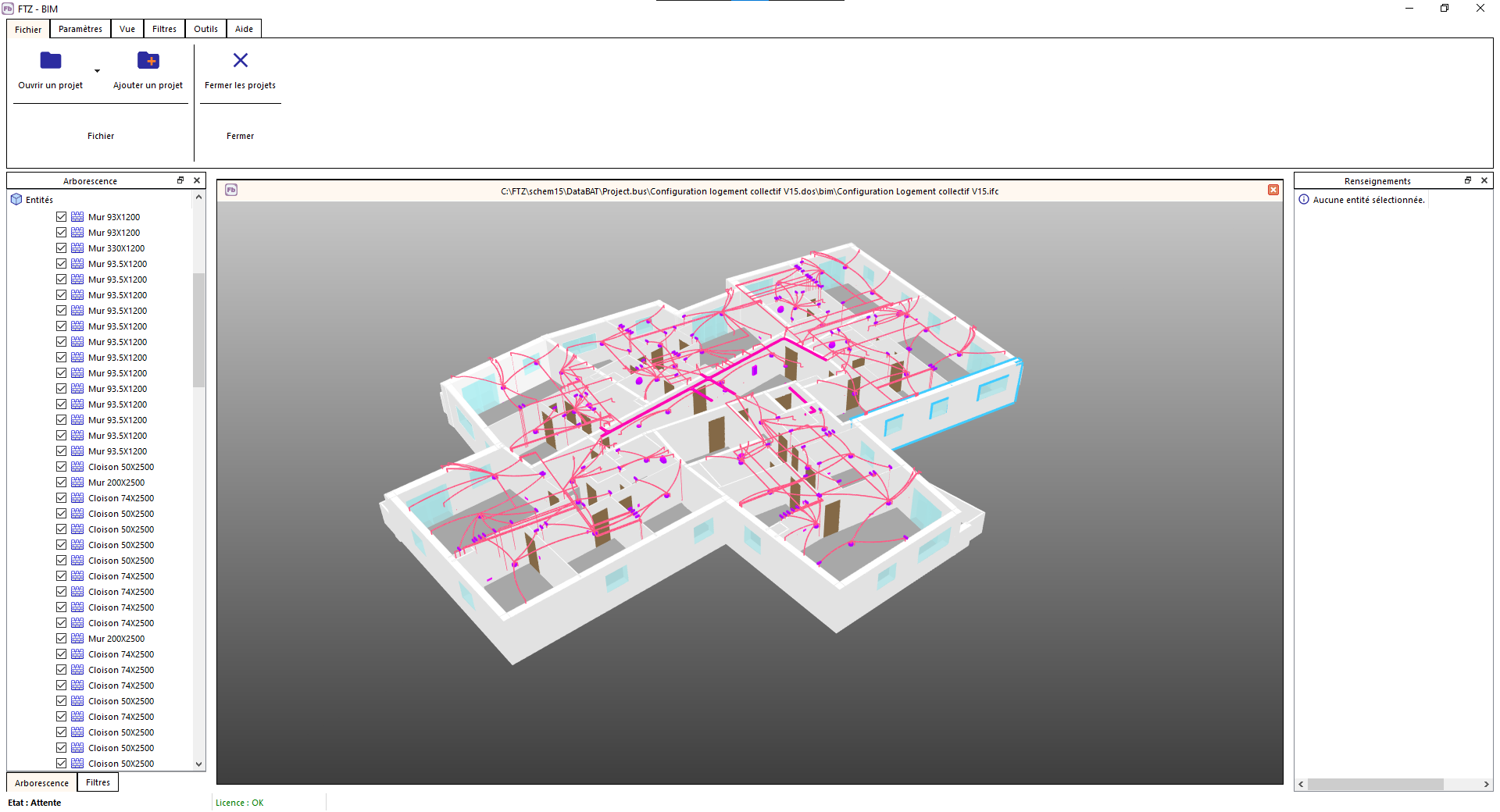
For its part, FTZ-BIM enables the integration of a building’s wiring data into a collaborative digital model. This approach facilitates information sharing among different trades and improves project coordination.
BIM and 3D technology alone do not constitute an industrial digital twin, but they represent important steps toward a more comprehensive and connected management of technical data.
The Digital Twin : An Opportunity for Engineering Firms
The rise of the digital twin confirms the evolving role of engineering firms. Their mission is no longer limited to producing drawings or diagrams, but also includes creating and organizing data that will support these facilities for many years to come.
Companies that invest today in the quality of their technical data will be best prepared to take advantage of tomorrow’s digital technologies.
The industrial digital twin is therefore no longer a myth. It is already a reality in many sectors and will continue to evolve as tools and methods advance.
Thanks to solutions such as SchemELECT, SchemBAT, FTZ-Panel 3D, and FTZ-BIM, engineering firms now have the tools they need to lay the groundwork for this digital transformation and prepare for the industrial projects of tomorrow.